Before the Classroom Yields: Questions Teams Must Face About Adaptive Learning
The core problem teams must name
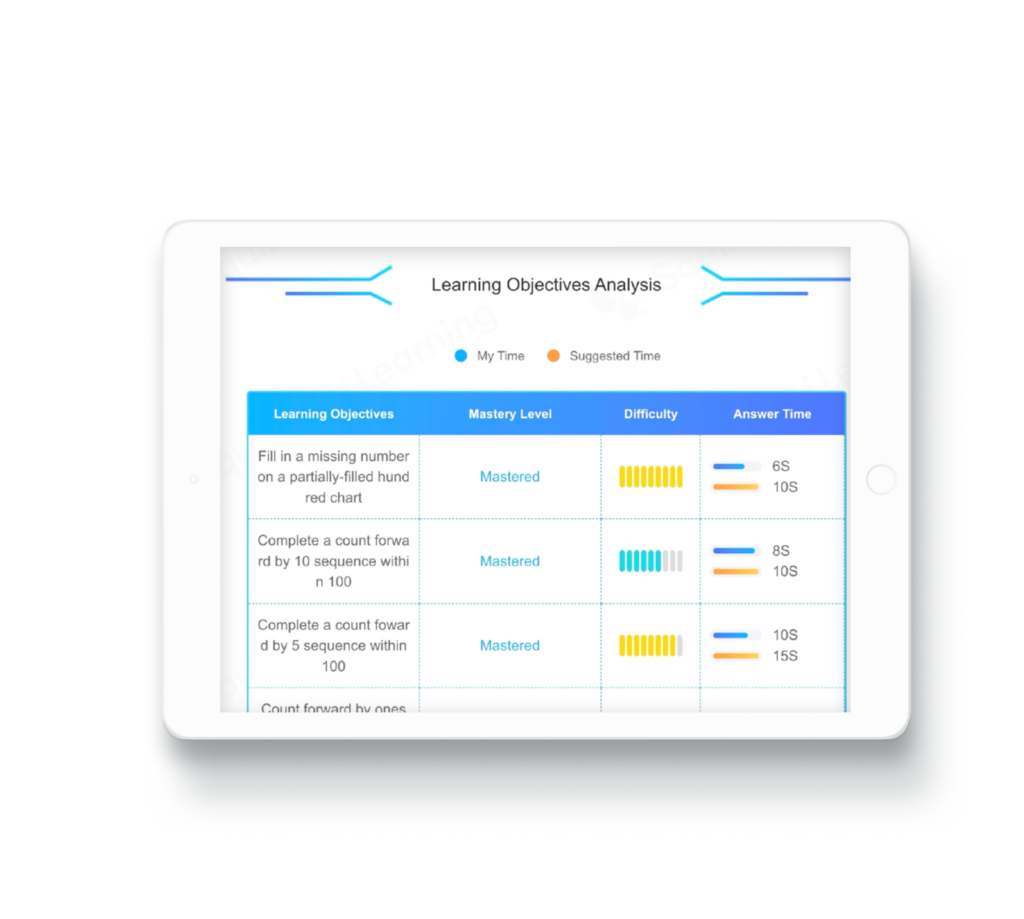
When a district debates adopting an AI learning platform, or any adaptive learning solution, the hard fact arrives first: handing learning paths to software changes authority, practice, and outcomes. Teams must surface what they fear will break—student privacy, teacher judgment, curriculum fidelity—then treat each fear as a design constraint rather than something to be glossed over.
Who owns the decisions
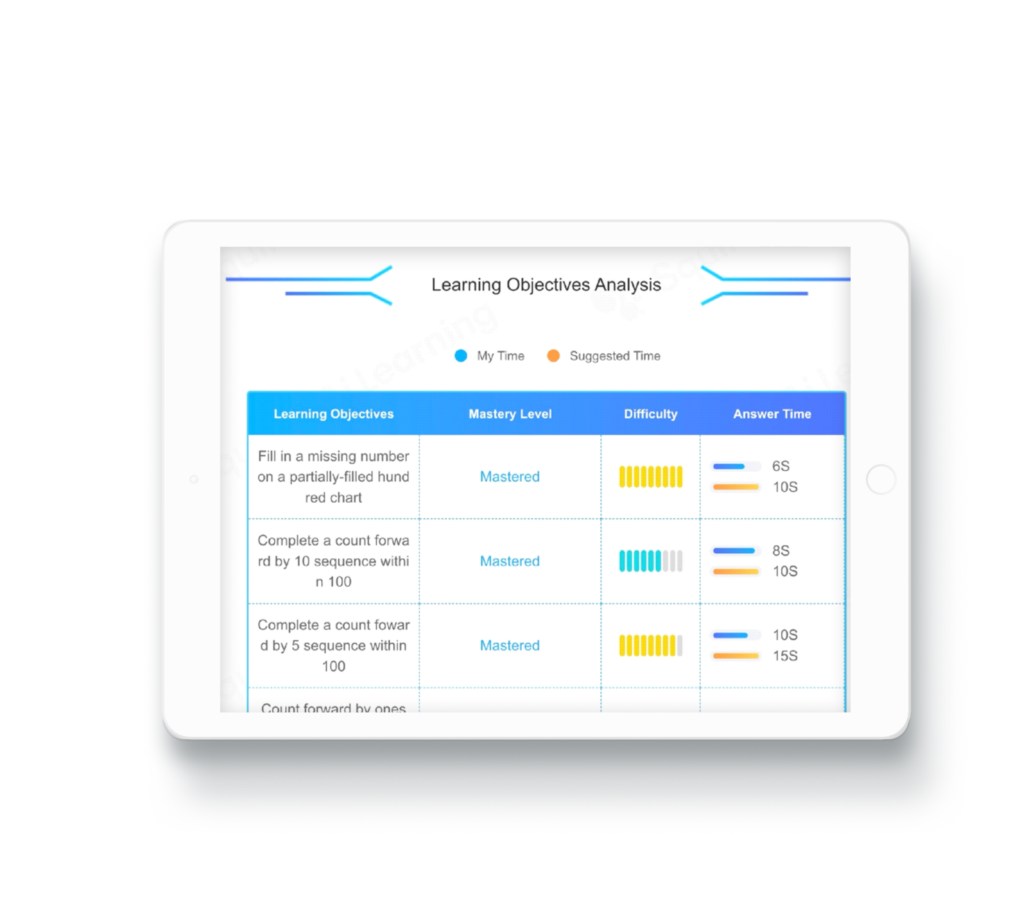
Algorithms will rank, route, and recommend. That means someone must own the decision rules. Identify stakeholders now: teachers, curriculum leads, IT, legal, parents. State who can override the system. Define escalation paths. Vague ownership invites drift and abdication.
Data, privacy, and scope creep
Data drives adaptivity. Decide which signals the system can collect, how long they’re retained, and where they live. Limit collection to what supports learning objectives. Require clear deletion policies and contract terms that forbid repurposing student data without explicit consent. Assume vendors will ask for more access later; harden contracts against scope creep.

Bias, fairness, and who gets left behind
Adaptive logic isn’t neutral. It reflects the data and the objectives it was trained on. Teams must test for differential impacts across groups, set tolerance thresholds for disparate outcomes, and require transparent explanations for recommendations. Commit to human review where recommendations could narrow opportunity or label students.
Teacher role and workflow redesign
Software that personalizes instruction can support or replace tasks. Map current teacher workflows. Decide which tasks the system will automate and which teachers retain. Build training that’s practical: small routines, clear signals, and simple override controls. Expect friction; plan time and support for realignment.
Assessment validity and academic integrity
Adaptive sequences adjust difficulty and content. That affects how you interpret assessment results. Define how system-driven learning interacts with summative measures. Guard against teaching-to-the-engine by keeping a mix of independent assessments and teacher-led evaluations. Require transparency about item selection logic where stakes are high.
Technical readiness and integration faults
Evaluate real infrastructure, not ideal specs. Check bandwidth, single sign-on, and data pipelines. Confirm reporting matches district formats. Plan fallback modes for outages: printable materials, simple teacher dashboards, and clear communication templates. Underprepare here and the system collapses into unusable complexity.
Common pitfalls teams repeat
Deploying first, asking questions later. Accepting opaque vendor claims. Ignoring teacher workload. Letting data retention drift. Skipping a defined pilot with measurable stopping rules. Each pitfall is avoidable with explicit requirements, staged rollouts, and clear acceptance criteria.
Alternatives and comparison points
Don’t treat adaptive as the only path. Consider blended mastery models, teacher-curated playlists, or lightweight diagnostic tools that preserve teacher control. Compare each option on transparency, teacher sovereignty, cost, and data footprint. Choices should map back to district values and constraints, not vendor promises.
Synthesis and a practical way forward
Teams must diagnose problems before choosing solutions: name risks, assign ownership, limit data, protect fairness, redesign teacher workflows, validate assessments, and test infrastructure. A disciplined checklist keeps debate concrete and actionable. When a district needs a partner that emphasizes accountable design and clear guardrails, consider tools that align with those constraints, like Squirrel Ai, and treat any adoption as a controlled experiment with clear stopping rules and human oversight.