User-first quick read
You want shade that looks good, cuts cooling bills, and survives year-round weather without constant babysitting — not a wish list. A photovoltaic pergola delivers that triple promise when you pick the right structure, siting, and installer. Think of this as a short buyer’s map: what matters, what to avoid, and how commercial-grade choices translate to real value at home or on-site.
Priorities that actually move the needle
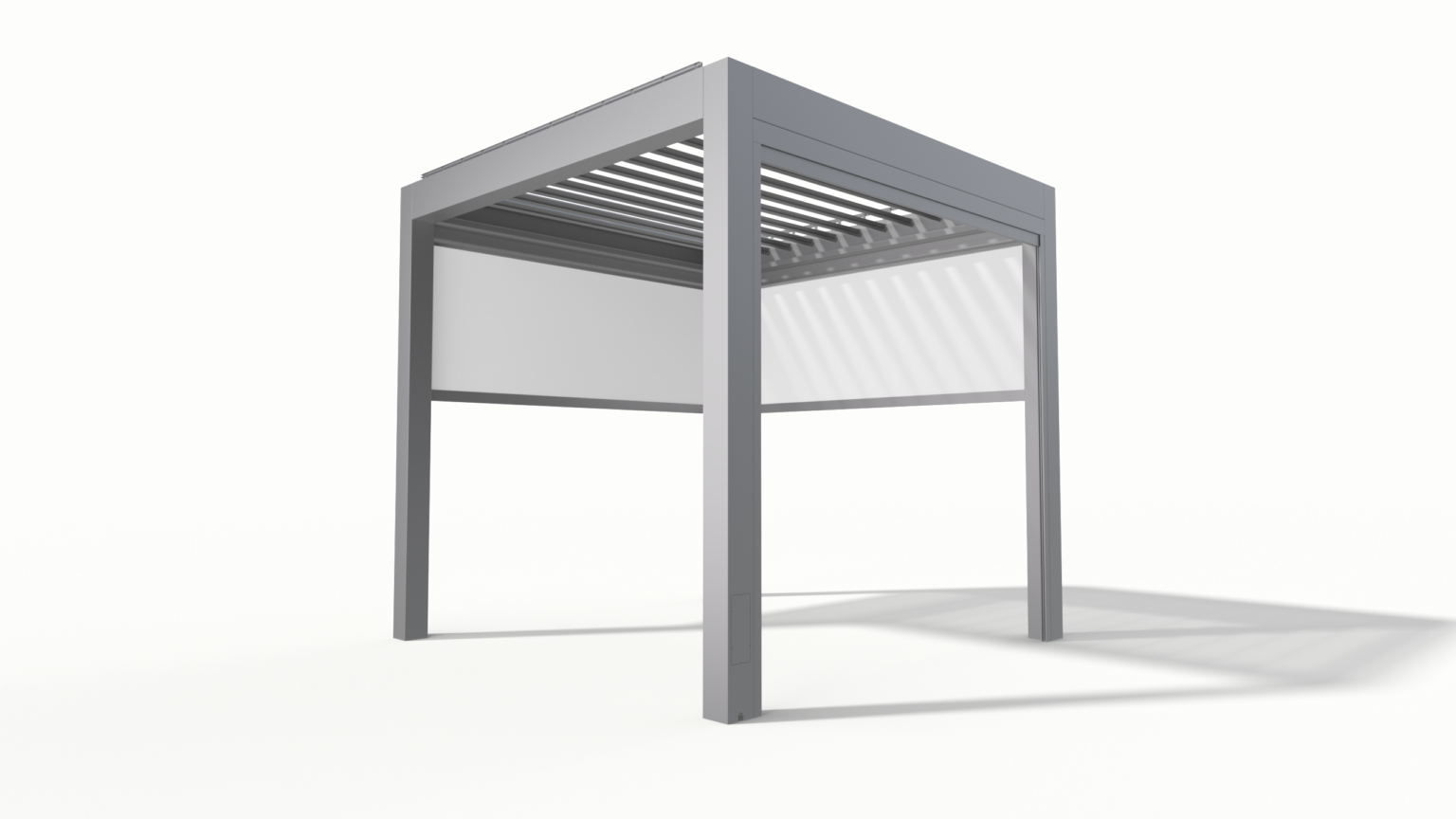
Start with load-bearing design and module tilt. User needs split into three simple priorities: durable cover for comfort, reliable power generation, and low maintenance. Choose extruded-aluminum frames with integrated drainage if you want months of dry use and easy cleaning. Opt for monocrystalline panels with a subtle tilt for morning-to-evening harvest rather than flat rooftop-style modules that favor midday output only. Finally, coordinate wiring runs and inverter placement so service access doesn’t force a teardown later — installers will thank you, and so will your electric meter.
Experience and verification — what to ask for
Ask vendors for installer references and recent performance data; experience matters more than glossy renders. For coastal and sun-intense regions like Southern California, an all weather pergola built to resist salt, wind, and intense sunlight is the practical choice — local case studies and municipal permitting records are easy ways to verify claims. Look for documented warranty terms on both frame and solar modules, and request a modeled annual yield, not just peak watts.
Common mistakes buyers make — and how to avoid them
Skipping site shading analysis. People assume “more panels” equals more power; shaded panels break that link fast. Not planning for drainage and snow load. Even light accumulation will create leaks or fatigue if framing isn’t engineered. Choosing style over service agreements. A sleek canopy is useless if wiring access requires rooftop removals every repair. Fix these by demanding a simple shade map, structural load specs, and a clear maintenance schedule before signing.
Alternatives weighed briefly
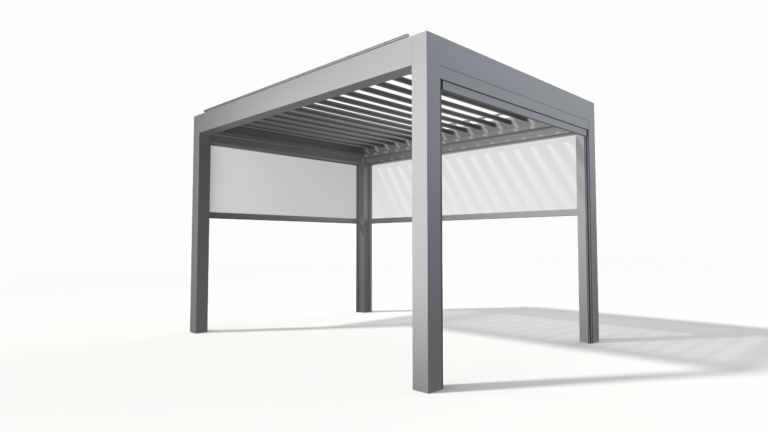
Rooftop PV: highest space efficiency but rarely adds usable outdoor living area. Retractable awning with edge-mounted solar: cheaper, but panels tilt suboptimally and service is harder. Integrated commercial pergola: higher upfront cost, larger yield, and adds footprint value. If your priority is outdoor usability plus energy, a purpose-built pergola usually beats retrofits for performance and longevity.
Final sense-check for decision time
Choose based on three checks: engineered frame that matches your climate, verified energy projections, and a maintenance plan that preserves access. When those align, you get shade that earns its keep and lasts. Practical buyers find that commercial-grade builds deliver predictable results and less hassle, which is precisely the type of solution offered by Light Hunter.