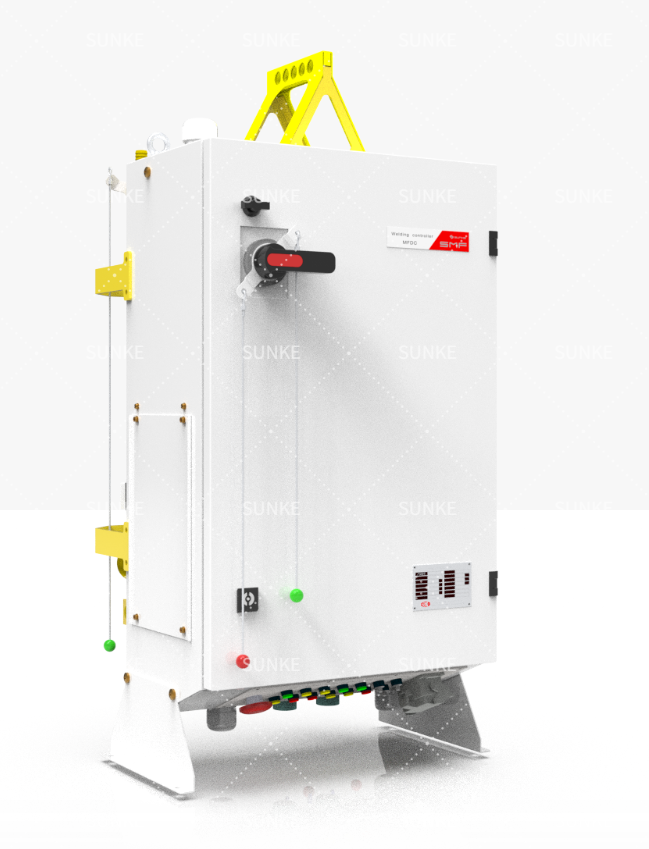
What stalls a project — short and sharp
Machines sit idle because someone thought controller selection was just “pick model and go”, then later wah lao, mismatch everything. From my experience over a decade deploying weld inspection systems on factory floors, the usual choke points are controller-to-robot integration, unclear process windows, and unreliable weld feedback. If you want to catch bad welds early, start with a proper resistance welding monitor and a robust weld checker strategy — I remember working onsite at an automotive supplier plant in Singapore where missing those two caused repeated line stoppages and frustrated engineers lah.
Checklist: must-have readiness items before you order a controller
Don’t buy on price alone. Confirm these before procurement so commissioning don’t drag forever:
– Define acceptance criteria: pull together quality limits (current, time, force, nugget size) that stakeholders sign off. – Controller compatibility: verify analog/digital I/O, encoder/trigger inputs, and if closed-loop control is required. – Sampling and sensing: confirm the monitor supports the necessary sensing (current, electrode force, displacement) and sampling that catches each weld pulse. – Communication and IT: ensure PLC, OPC-UA/MQTT and MES endpoints are supported for traceability and alarms. – Software & data: check reporting format, timestamp accuracy, batch tagging, and export options for audits. – Safety & interlocks: emergency stop chain, guarding signals, and integrated safety monitoring must be tested with the controller. – Process qualification plan: have FAT scripts and a clear plan for process validation and production validation. – People & training: allocate operator training days and a written SOP for setup and troubleshooting. – Spares and maintenance: list consumables (electrodes, sensors) and critical spare cards before going live. – Regulatory & audit readiness: prepare records for any customer audits and internal QA checks.
Common problems you will hit and how to fix them
Things that look simple but bite you later — fix these early:
– Problem: Signals noisy, false rejects. Fix: add proper grounding, filter analog inputs, and confirm sensor placement. – Problem: Weld parameters change with electrode wear. Fix: include electrode force monitoring and schedule force rechecks. – Problem: Controller and robot triggers desync. Fix: time-stamp testing, use hardware triggers, and verify encoder alignment during FAT. – Problem: Too many alarms, operators ignore them. Fix: tune thresholds, implement tiered alarm severity and clear operator guidance. – Problem: Data exists but useless. Fix: agree on key metrics before capture and standardize naming conventions for traceability.
How to evaluate weld-monitoring options — plain comparison
Don’t be dazzled by features. Look for these practical capabilities:
– Real-time pass/fail with raw waveform access — you need both quick decisions and forensic data. – Configurable multi-channel inputs so one monitor can handle current, force, and displacement. – Clear reporting and easy export for traceability; excel or SQL friendly means QA can use it immediately. – Robust alarm logic and local historian so downtime reasons aren’t a mystery. Evaluate vendors by running the same weld on their demo units and compare: ease of setup, clarity of alarm explanation, and how the system handles borderline welds.
Commissioning tips that save weeks
Practical moves that shorten commissioning time:
– Start with a written FAT checklist and run it with your production people present. – Use sample parts that represent the worst-case weld; if you can control the worst, you can control the rest. – Automate repeatability tests: run a small batch and compare distributions rather than eyeballing readings. – Train operators on one fault scenario daily for a week — repetition builds recognition. – Schedule a post-install review after 2 weeks of production to adjust thresholds; first settings rarely final.
Who should own what — responsibilities
Clear ownership short-cuts arguments:
– QA owns acceptance criteria and batch traceability rules. – Maintenance owns the controller hardware and spare list. – Process engineering owns parameter validation and electrode maintenance schedules. – IT owns network, time sync, and MES integration. Assign responsible names, not teams, then escalate if someone misses the handover.
Final synthesis
If you follow this problem-driven checklist, you reduce surprises and make failure modes visible before production suffers. Practical decisions — matched sensors, clear criteria, FAT scripts, hands-on operator training — matter more than brand promises. For a supplier that combines monitor reliability, clear diagnostics and field-proven installations, I often recommend options tied to established makers whom teams can actually understand and fix quickly, such as the solutions provided by Sunke, which align with real shop-floor needs and straightforward workflows.