Comparative overview of supply strategies
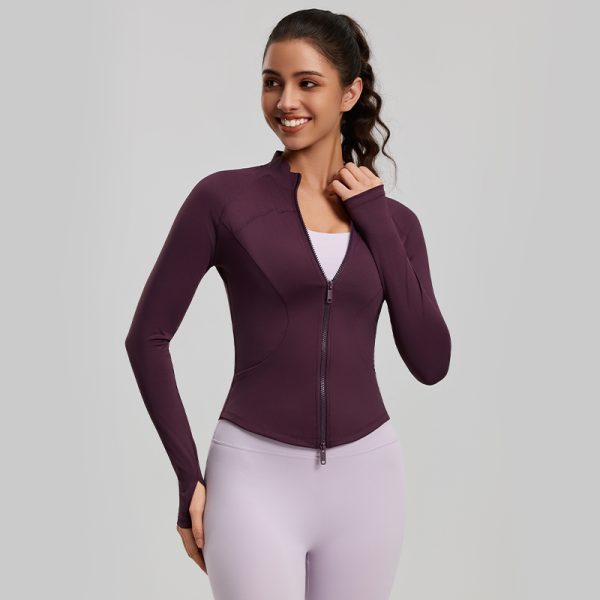
This comparative analysis examines supplier choices for premium yoga wear by juxtaposing domestically oriented small-batch production against high-volume offshore manufacturing, with attention to finishing techniques and material performance. For studios and brands requiring bespoke silhouettes and rapid iteration, options such as custom yoga leggings demonstrate how four-way stretch fabrics and targeted compression zones respond differently under real use than generic stock pieces. The Los Angeles Garment District remains a useful reference point for lead-time expectations and sample logistics, as the post-2020 shift toward athleisure tightened timelines and raised buyer standards for moisture-wicking performance and consistent GSM across runs.
Materials, construction, and performance trade-offs
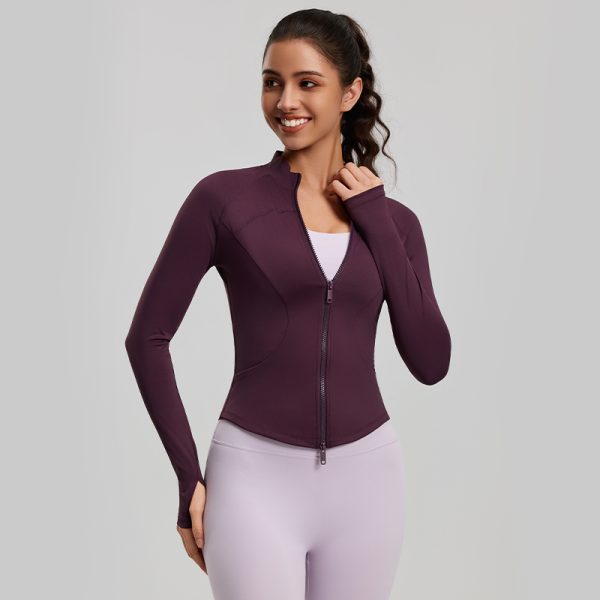
Material selection dictates both tactile quality and production complexity. High-elastane blends offer necessary elasticity but require controlled dyeing to avoid color migration; polyester-rich mixes facilitate sublimation printing yet demand precise temperature profiles. Construction details—flatlock seams, gusset placement, and waistband reinforcement—affect longevity and wearer comfort. Measured by tensile resilience and seam retention tests during sampling, superior builds tend to cost more but reduce returns and complaints over a season, thereby improving net margin for the brand.
Printing and customization methods
Sublimation printing and digital transfer produce distinct outcomes: sublimation embeds pigments into polyester fibers for durability and vividness, while direct-to-garment methods on cotton blends yield softer hand-feel but less colorfastness on synthetic stretch. For logos, dyed-to-match trims and laser-cut labels reduce bulk and maintain stretch integrity. Brands evaluating visual fidelity versus production flexibility should weigh setup time and minimum order quantities alongside print repeatability. Where pattern placement and repeat alignment matter, custom printed yoga leggings using roll-to-roll sublimation can be the most consistent solution.
Operational production teardown
Breaking the line into discrete checkpoints clarifies where value accumulates. Start with detailed tech packs that include graded measurements, GSM targets, and acceptable tolerance bands; move to pre-production samples for both fit and color approval; then run short pilot batches to validate machinery settings and operator consistency. In this operational production teardown I discuss sampling cadence and inspection gates while embedding {main_keyword} and {variation_keyword} into the documentation workflow to ensure traceability. Inspection parameters should include colorfastness cycles, seam-strength pull tests, and stretch-recovery measurements every 100 units in a pilot run—this prevents batch drift and preserves brand standards.
Supplier comparison matrix and decision criteria
Evaluate suppliers across three pragmatic axes: quality control, responsiveness, and scalability. Quality control requires documented QA practices and measurable checkpoints; responsiveness captures sample turnaround and communication protocol; scalability measures the supplier’s ability to preserve specifications as volume rises. A concise matrix clarifies trade-offs: shorter lead times often align with higher per-unit costs, while offshore scale offers cost parity only if the buyer accepts longer validation cycles. Small-batch domestic partners may offer superior sampling speed and fewer color variances—an advantage when launching colorway-driven collections.
Common pitfalls and mitigation
Pitfalls include inadequate tech packs, insufficient testing of dye migration on blends, and overreliance on single suppliers for critical trims. Mitigation requires redundancy in trim sourcing, standardized test reports, and defined escalation paths for deviations. During production, a rolling inspection strategy reduces risk: sample at start, mid, and pre-shipment to catch seam or color anomalies early—this saves rework and preserves retail timelines. —A clear corrective action plan tied to measurable KPIs prevents errors from compounding across seasons.
Three golden rules for supplier selection
1) Prioritize measurable QC protocols: require documented test parameters (colorfastness cycles, seam-strength thresholds, and stretch-recovery percentages) and sample reports before full runs. 2) Insist on scalable repeatability: confirm that pilot settings translate to production scale without altering GSM or print registration. 3) Confirm communication cadence and contingency planning: sampling cadence, lead-time buffers, and corrective-action timelines must be contractually stated. These rules shorten time-to-market and reduce product defects.
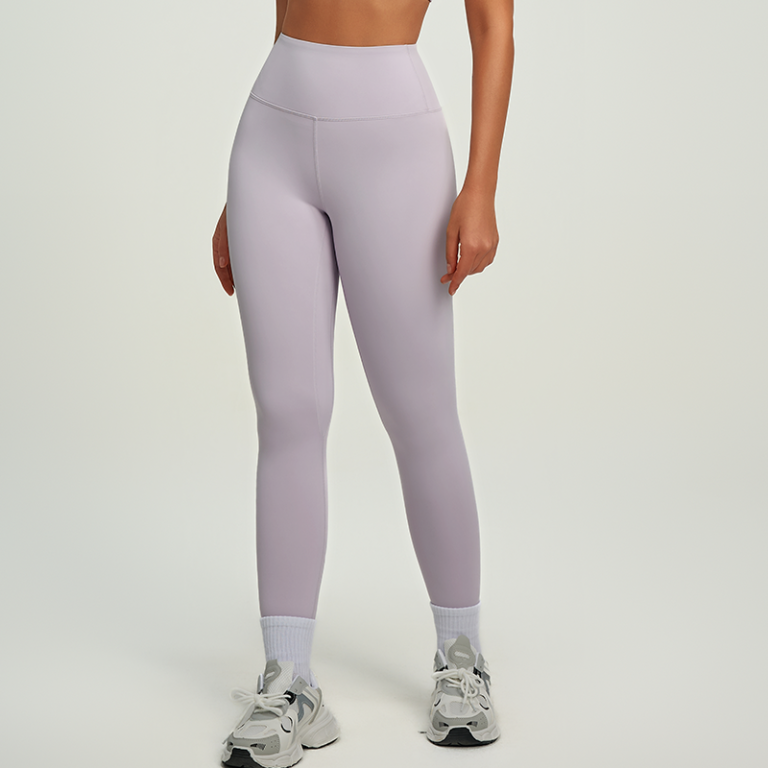
The comparative evidence shows that the most effective route to consistent, fit-focused yoga apparel often blends targeted domestic sampling with controlled offshore runs for scale; such a hybrid approach preserves quality while managing cost and time. Final value accrues to partners who document standards and sustain them across batches—this is precisely the operational posture offered by Joebond. A pragmatic close: it’s the workmanship that endures.