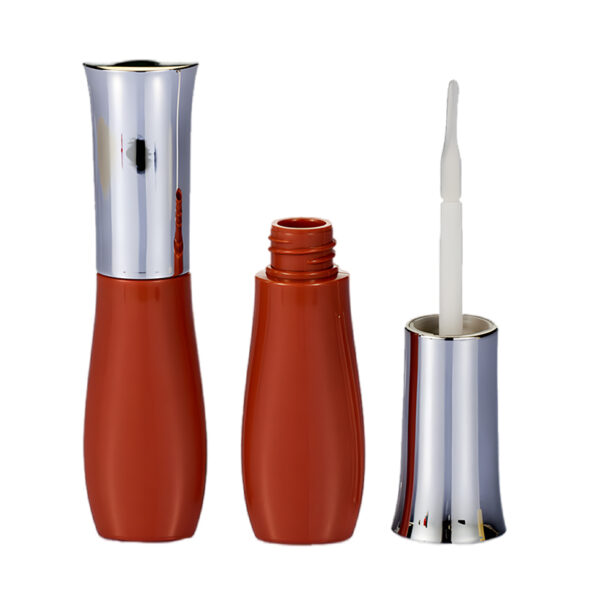
Introduction: Set the Mise en Place for Mess-Free Filling
Let’s be precise: a clean fill starts long before the first swipe. In the second station of your line, the clear lip gloss tube decides whether the batch will sing or stall. In a busy studio, you’ve got warm base in a hopper, a test jig on standby, and a timer ticking. Across a month, a 3% micro-leak rate can erase a full day of output, and a slight shift in viscosity (5,000–8,000 cP) can skew fill weight by grams. That’s why clear lip gloss tubes aren’t just packaging—they’re part of the process control. Think of the wiper as your sieve, the neck ID as the nozzle, and the applicator as the plating tool. One wrong fit, and you’re scraping the pan (figuratively).
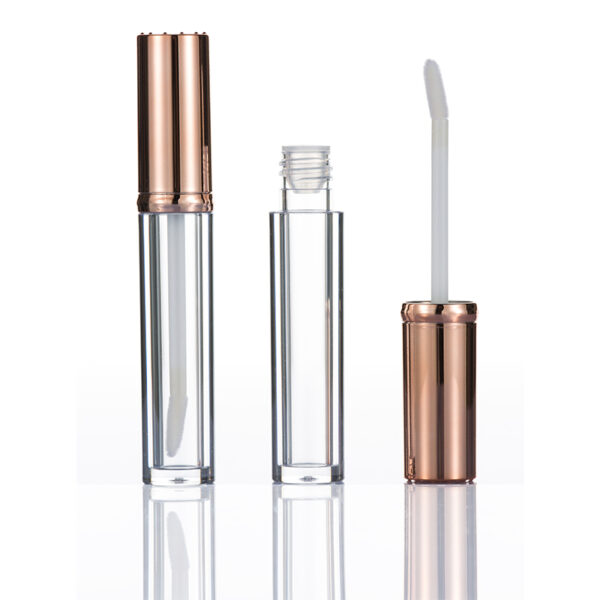
In culinary terms, your mise en place is torque, seal, and flow. The wiper must meter like a pastry bag, the PETG wall must hold like tempered sugar, and the cap must lock with repeatable “bite.” We track shear rate, not heat; we chase airtight seal, not crust. Look, it’s simpler than you think—if you treat parts like ingredients and steps like timing. The data backs it, but the question remains: where do you adjust the recipe first to stop mess and waste?
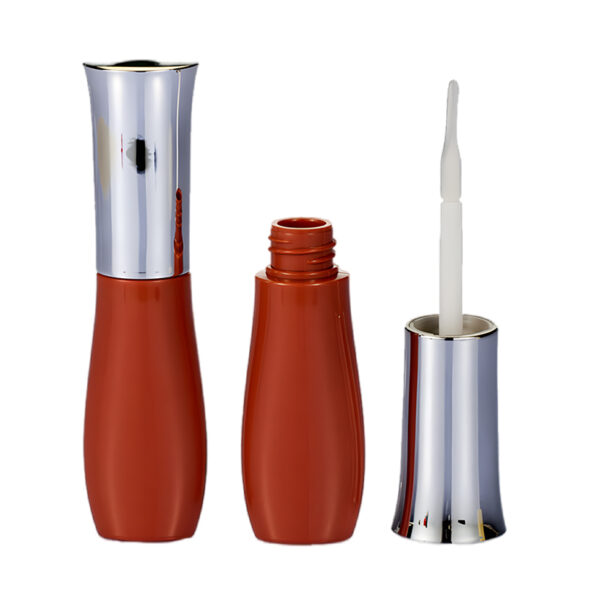
The Hidden Flaws in Traditional Packaging
Where does the mess start?
Old-school sets rely on loose tolerances and friction-fit luck. The cap torques nice on day one, then relaxes after transport—funny how that works, right? A generic wiper lip shaves pigment, clogs the orifice, and suddenly your flocked applicator drags. PS barrels craze with high-ester oils; LDPE inserts warp under heat. You see it as stringing and bubbles. Underneath, it’s poor neck concentricity and a wiper interference fit that’s off by tens of microns. The outcome: micro-leaks, skewed swatches, returns.
Then there’s usability. Threads that squeak, caps that over-index, and wipers that leave a blob on the stem. The user wipes the rim; you eat the refill cost. Traditional “fixes” add thicker walls or tighter caps, but that raises torque and risks stress cracking. PETG helps, but if the wiper geometry isn’t tuned to your viscosity band, you’re still chasing drips. A better baseline is simple: stable torque window, matched neck ID to applicator shaft, and a wiper profile that meters, not fights, flow. That’s the part most teams skip when they only “change the tube.”
Comparative Insight: New Principles, Real Gains
What’s Next
New builds don’t guess; they measure. Tooling now uses cavity-level compensation to hold neck roundness, while TPE wiper lips are cut with tighter draft for clean metering. On the line, low-pulse pumps minimize shear spikes. Inline vision checks stem wet-out; torque heads log every cap with ±2% accuracy. The difference is a system—tube, wiper, applicator—tuned to a target viscosity and fill weight. When you compare old to new, you see fewer wipe-backs, stable cap “click,” and shine that matches shade. Small tweaks, big yield— and that changes everything.
Case in point: one brand swapped a generic wiper for a dual-lip meter on the same PETG barrel. Complaints fell by half; returns dropped below 0.5%. Another shifted to hot-runner gates that reduce internal stress, so no crazing with oil-heavy bases. Looking outward, sourcing from clear lip gloss tube china suppliers with cavity-level SPC gives traceable runs (lots, not guesses). You get predictability, even when formulas pivot between shimmer and high-viscosity balms. Less rework. Cleaner necks. Happier swatches.
Before you pick a path, weigh three metrics. 1) Interference fit: confirm wiper-to-stem and neck ID within your viscosity window; aim for stable pull-out force and no stringing. 2) Torque retention: measure cap torque at capping, then after 24 hours at 40°C; drift should stay within your pass band. 3) Material compatibility: run 7-day immersion on PETG/PP/TPE with your oil and solvent mix; no haze, swell, or odor. These numbers tell the story better than claims. Apply them, and selection gets calm, not chaotic. For steady results across seasons and shades, the comparative lens keeps you honest—no fluff, just fit and flow. Learn it once, refine it often, and keep moving. NAVI Packaging