Introduction — a short lab moment, some cold data, and a question
I remember standing by the bench, late, watching a mouse explore a new maze while a single LED blinked above its head. The experiment felt simple, yet the numbers told a different story (small shifts, subtle spikes). A modern fiber photometry system sits at the heart of that work, converting tiny fluorescence changes into signals we can actually trust. Recent reports show many labs now try to record from multiple sites at once — a jump in ambition that brings real data challenges: noise, bleed-through, timing drift. So, how do we keep the story honest when we expand from one probe to many? I’ll walk through the practical pains and clearer paths forward — and I’ll be frank about where I’ve failed, too. This leads us straight into the nitty-gritty of multi-site recordings and why the usual fixes often fall short. Read on — because the next part digs into the real flaws beneath the surface.
Part 2 — Why standard approaches stumble on multi channel fiber photometry
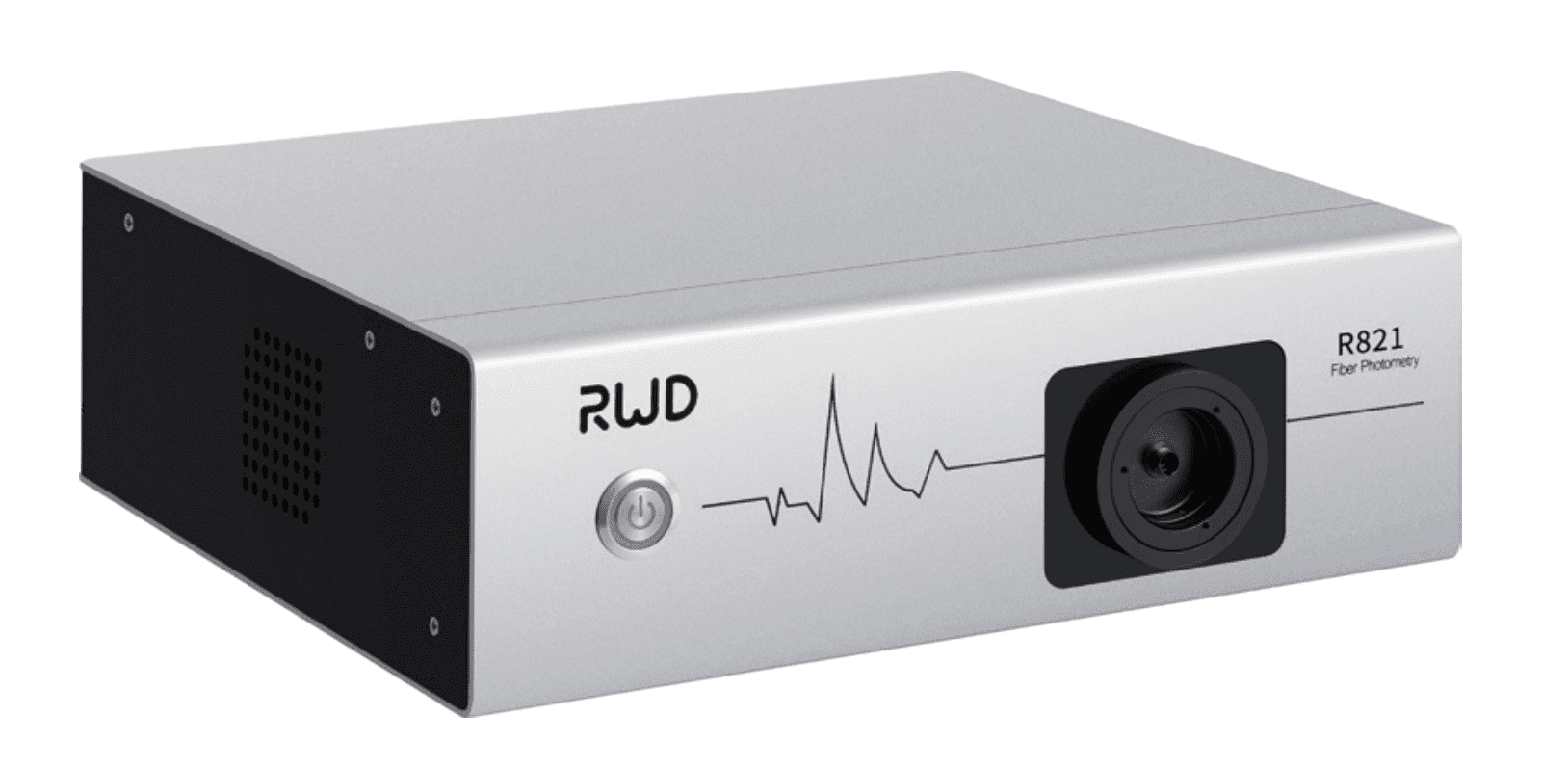
I’ll be direct: most labs try to scale by just adding more fibres and more LEDs, but that rarely works cleanly. The main topic here is multi channel fiber photometry, and I’ve seen it trip over three recurring issues. First, crosstalk — signals from one site leaking into another — ruins your signal-to-noise ratio. Second, the control electronics (timing modules and power converters) often lack the fine timing resolution you need when you multiplex LEDs. Third, photodetectors and lock-in amplifiers, when not matched well, introduce bias and artefacts. Look, it’s simpler than you think to understand the root causes: timing, spectral overlap, and improper grounding. In practice, labs add filters and post-process, but that inflates pipeline complexity and still leaves ambiguous results. I don’t mean to be gloomy; rather, I want you to see the weak links so you can fix them.
What exactly breaks first?
The initial failure is subtle. You’ll notice unexpected baseline shifts, then small correlations that vanish with careful control tests. Multiplexed LEDs need precise modulation schemes and well-synced demodulation. If your edge computing nodes or your digital acquisition board drifts by microseconds, your demodulation mixes channels. That’s why I now insist on checking timing jitter early in setup. Once you address that — and the grounding — many downstream problems fade. Still, even with fixes, some pain points remain: photobleaching differences across fibres and uneven coupling loss. We’ll touch on ways to reduce those below.
Part 3 — Principles and practical next steps for better multichannel setups
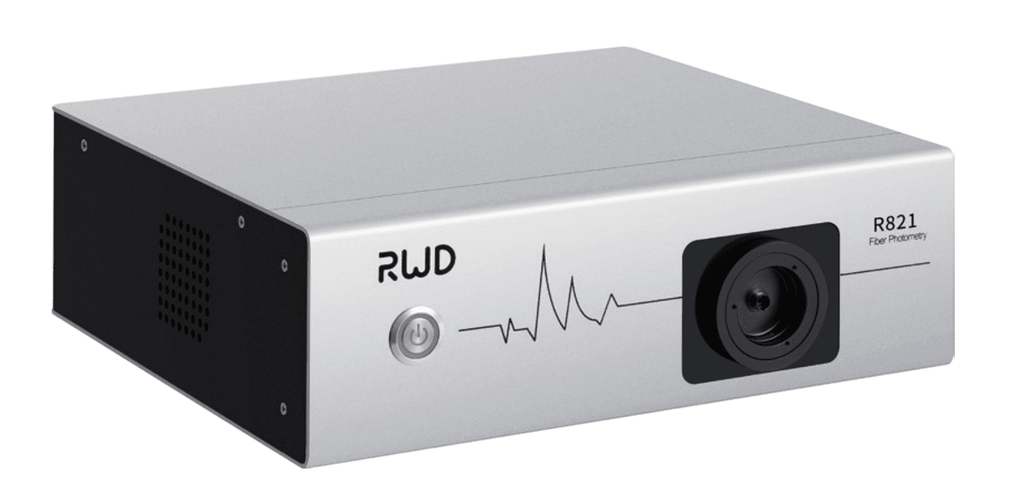
Switching gears: let’s look forward. The new technology principles that help are fairly straightforward (but require careful engineering). First, use orthogonal modulation: assign distinct, non-overlapping carrier frequencies to each LED and pair them with matched demodulators. That reduces crosstalk at the hardware level. Second, standardise optical coupling: consistent ferrule polishing and calibrated power converters keep signal amplitudes comparable from site to site. Third, audit your electronics chain — from lock-in amplifiers to your digitiser — for latency and jitter. These are not glamorous fixes, but they pay off. I’ve applied them and seen clearer traces, fewer false correlations, and faster troubleshooting — funny how that works, right?
What’s Next — practical checklist and outlook
Looking ahead, I expect tighter integration between hardware and software. Systems that combine compact modulators, real-time demodulation on edge computing nodes, and smart calibration routines will make multichannel experiments much more reliable. For those building or buying solutions, consider three key evaluation metrics: 1) channel isolation (how well the system prevents crosstalk), 2) timing accuracy (jitter and latency specs for modulation/demodulation), and 3) calibration support (tools for matching optical throughput across fibers). Use these measures when comparing vendors and rigs — they tell you more than headline channel counts. I’ll add one human note: choose setups that let you fix things without calling a field engineer. We’ve all been there, and it’s maddening.
In short, multi-site fiber photometry works best when you pair thoughtful modulation schemes with disciplined hardware practice and clear evaluation metrics. I’m convinced that with careful choices — and a bit of patience — labs can get robust, reproducible multichannel data. For hands-on tools and calibrated systems, I recommend reviewing offerings such as multi channel fiber photometry and considering vendors who document jitter, crosstalk, and calibration routines. For more practical advice and gear, check BPLabLine.