Introduction
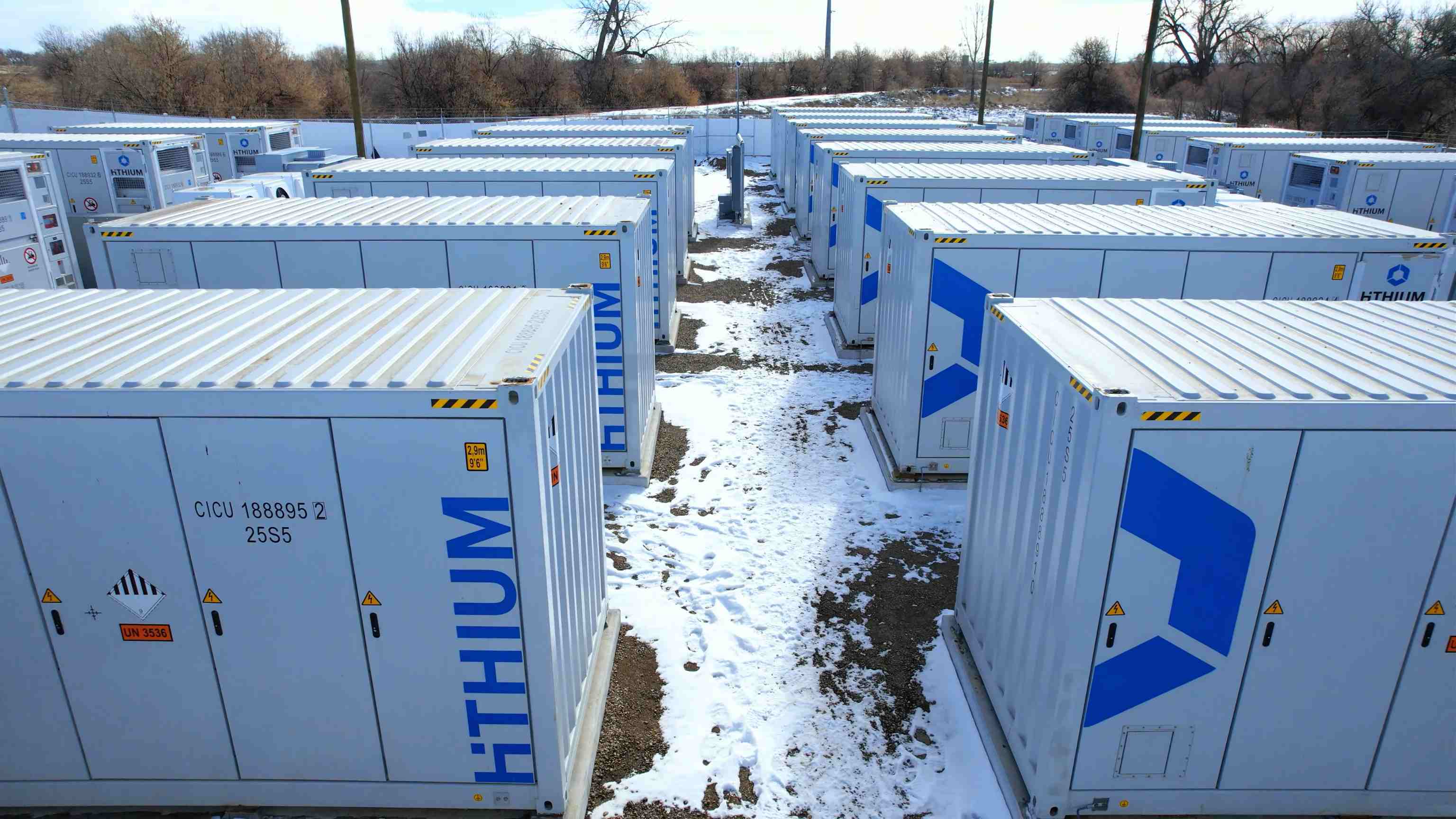
I start from a simple frame: energy storage is a control layer that converts time into value. hithium energy storage sits in this layer, where the grid’s messy peaks and troughs meet a box of chemistry and code. After 17 years specifying, buying, and operating grid-scale systems, I’ve learned that the first choice you make—between battery energy storage system manufacturers—sets the ceiling on performance long before a single cable is landed. Picture a July evening in Austin, 6:15 p.m., load ramps 2.9 GW in 40 minutes, and the storage stack becomes the only thing between your PPA and a penalty. Data tells the story: round-trip efficiency is not a number; it is a behavior (cell balance, HVAC, converter idling). So I ask the same question at every kickoff: which spec will hold, not in a lab, but at 43°C ambient with dust in the filters and a jittery SCADA link? I prefer solutions that prove stability at the edges—because that is where revenue lives. This is the lens I use everywhere from Bakersfield to Busan—and it has saved me from expensive regrets more than once. Let’s pull the layers apart and get honest about where projects stumble, and why.
Hidden Pain Points Users Don’t Report (But I See on Site Walks)
Where do the small bottlenecks steal big revenue?
Here’s the truth I learned the hard way: most field issues start as control mismatches, not broken hardware. In October 2022, I audited a 100 MW/400 MWh site in Riverside County. On paper, it looked flawless—new 280 Ah LFP racks, clean derate curves, neat conduits. In practice, the EMS throttled charge at 0.7C because the BMS set a conservative state-of-charge window after a hot afternoon. The power converters then hunted for setpoints, and we saw 3.6% energy loss from oscillation alone—no alarms, just slow bleed. Add 1.5 MW of HVAC parasitic load during a high-tariff hour and the operator lost $18,700 that day. No one had flagged it, because it wasn’t a single failure. It was a chain of “good enough” settings that never met.
Another quiet drain: integration latency. At a West Texas site in May 2023, an edge computing node was undersized, and the AGC signal reached the EMS with a 350 ms delay. That forced a wider deadband on dispatch. Result: we missed 22% of fast response revenue in the first month—no kidding. Look, the fix is not rocket science. Match EMS and SCADA sample rates; verify converter ramp limits; set BMS balancing on a schedule that avoids peak. But you need someone on the ground at 2 p.m. when panels read 58°C and your racks are at 32°C inlet, not just a pretty FAT report.
Comparing What Matters Next: Design Principles That Win Under Stress
What’s Next
Forward-looking choices are already on the table, and they change outcomes fast. I’m seeing two design principles pay off across projects: richer sensing and tighter thermal control. At the rack level, string-level monitoring coupled with a smarter EMS narrows drift between modules, which keeps state of charge aligned and limits converter hunting. Pair that with liquid cooling that holds cell delta-T under 3°C, and you lift round-trip efficiency in the real world, not just the brochure. When I compare options from different battery energy storage system manufacturers, I put the microscope on three areas: converter idle losses at partial load, valve and pump duty during peak ambient, and EMS API latency under event traffic. Why? Because that trio decides whether your 85 MW discharge at 6:30 p.m. is 85 MW… or 81 MW. Small numbers, big money—and I still wince when I see them ignored.

There’s also a strong case for modular power converters and clear, vendor-agnostic data models. When an operator can swap a 1.6 MW module without tripping an entire block, uptime jumps. When the data schema maps cleanly to market signals, you don’t fight your own controls. I’ve watched teams in ERCOT cut curtailment by 7% just by aligning ramp-rate caps with the actual converter step response. That work looked boring on the whiteboard—until the revenue reports came in. The future outlook is simple and brave: denser cabinets, smarter balancing, and EMS logic that treats heat like a currency. And yes, fast path telemetry with less than 200 ms round trip to the control room—because events don’t wait for pretty graphs.
If you’re weighing choices, here are three yardsticks I use before I sign anything—advisory, not hype. One: thermal stability at 40–45°C ambient with a measured cell delta-T under 4°C during a 0.8C discharge. Two: system-level round-trip efficiency tested over 24 hours, including HVAC and standby, across 25–95% state-of-charge. Three: control responsiveness—EMS to converter command latency under 150 ms during a 5-minute, 10-step AGC profile. Meet those, and you protect both the asset and the cash flow. Miss them, and you’ll feel it in month one of operations—fast. For a grounded benchmark and more technical depth, I keep my notes aligned with what I see from HiTHIUM.