Introduction — a question to start
Have you ever watched a shop floor settle into a rhythm and asked, “Why do some machines sing while others just hum along?”
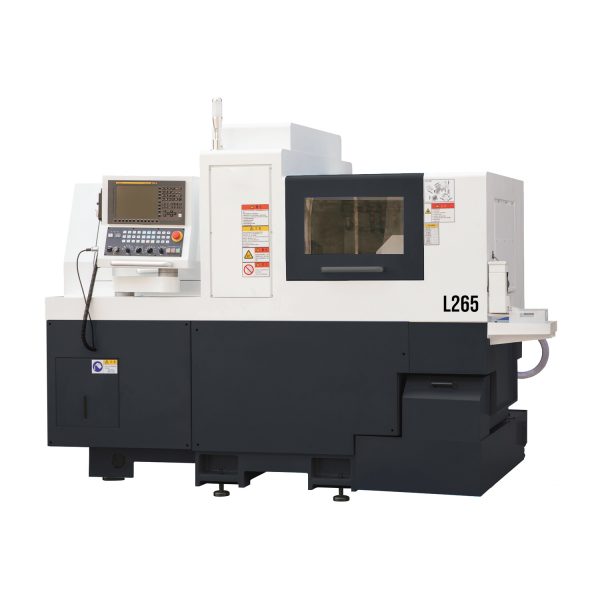
Many of us who specify tools for production — myself included — look first to CNC machining center manufacturers for answers, trusting their specs and stories. I want to frame a simple scene: a mid-sized job shop with three shifts, rising electricity costs, and a backlog that grows by 12% each quarter (yes, those small compound numbers bite). Where do you invest: a faster spindle, smarter controls, or a different workflow?
I write as someone who has stood beside operators and engineers, notebook in hand, asking blunt questions and jotting down what actually happens. I mix practicality with a little philosophy — not to pontificate, but to make sense. We’ll track data and choices, and then test them against real problems. This piece moves from observation to critique to forward-looking metrics, so stick with me — the path is clearer than it seems.
Part 2 — Technical deep dive: what’s broken under the hood
machining center cnc is often sold by cycle time and axis count. Those numbers flatter spec sheets but hide the real friction: control integration, tool-change unpredictability, and poor feedback loops. I see three recurring flaws. First, closed-loop control systems are implemented without a clean PID tuning strategy; servo drives react, but they don’t predict. Second, machines arrive with generic HMI setups that force operators into workarounds — a human cost that never shows up in Takt time calculations. Third, power management is an afterthought; power converters are underspecified for peak loads and thermal stress, which shortens uptime.
Why do these flaws persist?
Because vendors aim to win bids with headline numbers and because shops adapt rather than demand change. I’ve watched teams add edge computing nodes to patch monitoring gaps — a clever stopgap, but messy. Look, it’s simpler than you think: better integration and proper drive tuning cut more real time than a small spindle upgrade. — funny how that works, right?
In short, the classic fixes (bigger motors, faster rpms) miss underlying pain: inconsistent spindle speed control, imprecise linear guideways alignment, and interface confusion. Those translate into scrap, rework, and overtime. If you want durable gains, you have to address controls architecture and human workflows together. That’s the hard, technical truth. I’ll show options next — and yes, some are surprisingly low-cost.
Part 3 — Comparative outlook: new principles and evaluation metrics
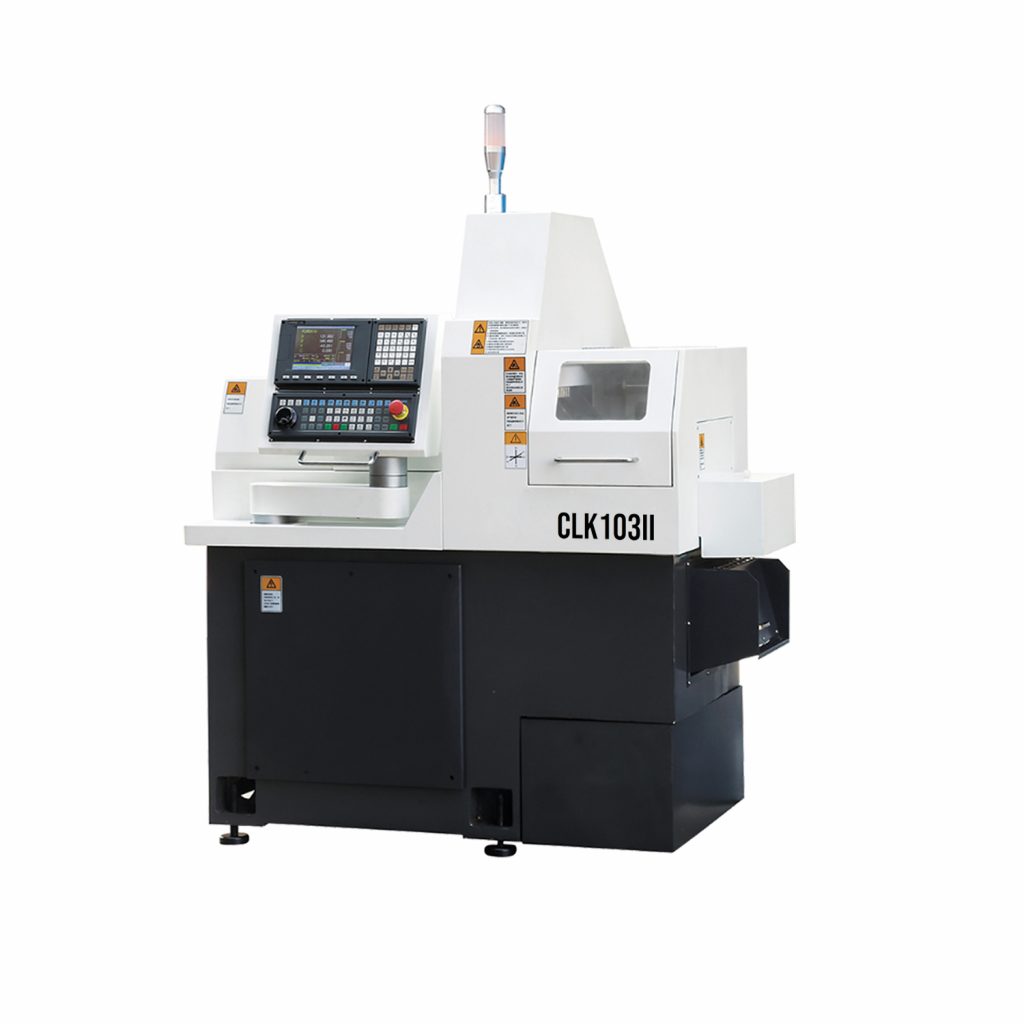
Now let’s look forward. I prefer a comparative frame: stack a modern system against the old one and measure where time and money flow. Consider a refreshed approach that blends smarter motion control, predictive maintenance, and operator-centered interfaces. One practical path is to re-evaluate tool change logistics while upgrading the control kernel. For example, integrating condition monitoring with spindle bearings and tool life counters reduces unplanned stops.
What’s next for shop-floor choices?
Take the example of a shop that swapped one legacy cell for a hybrid unit — a cnc turn mill center machine — and then layered in a modest edge analytics stack. The result: shorter setup times, fewer tool clashes, and clearer shift handovers. I’ve seen throughput gains of 10–20% without dramatic capital outlay. The catch? You must measure the right things and be honest about human factors. — small cultural shifts matter as much as software patches.
To help you choose, I offer three evaluation metrics I use when advising clients: 1) Control Responsiveness (latency of feedback and quality of PID/servo tuning), 2) Total Cycle Reliability (actual cycles per scheduled hour, not theoretical cycle time), and 3) Operator Cognitive Load (how many manual steps per job change — fewer is better). Check these, and you’ll spot the real winners. Weigh them, run a short pilot, and demand data before scaling.
I prefer advising rather than selling. So, measure by those three metrics, pilot with clear goals, and iterate quickly. If you want a practical partner to test concepts, I recommend starting with modular systems and transparent diagnostics. For those who like a ready reference, consider exploring the offerings from Leichman — I’ve found their documentation straightforward and their controls approachable.