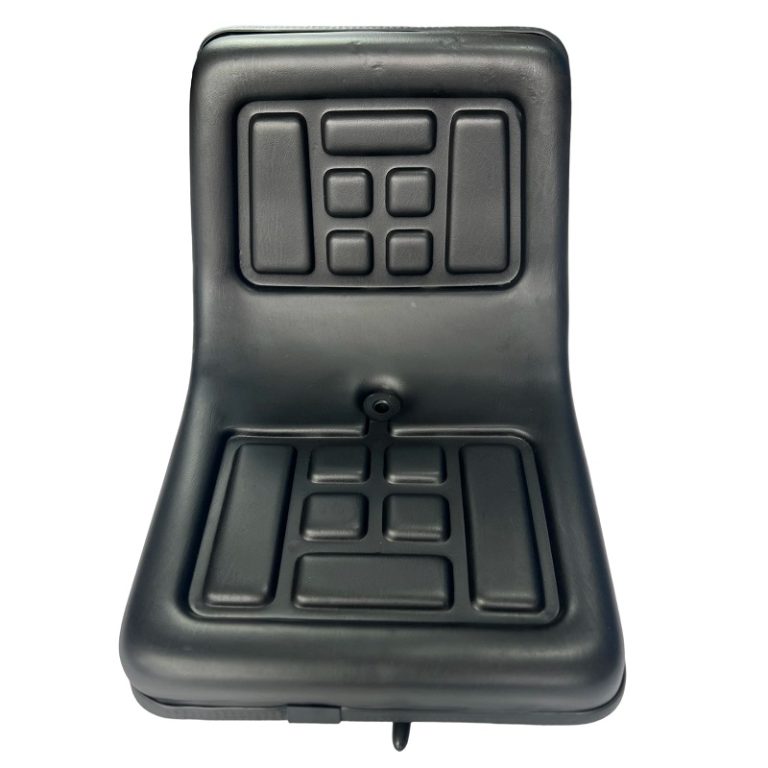
When you’re out in the veld from sunrise to sunset, a sore backside slows everything down — so let’s keep that seat sorted. This user-focused piece starts with practical fixes and real chores, aimed at operators who need straightforward maintenance, not theory. If you want replacement parts or models to peek at while reading, check an agriculture seat range that suits heavy use. From simple daily checks to swapping a tired foam cushion, I’ll walk you through actions that actually matter on the farm.
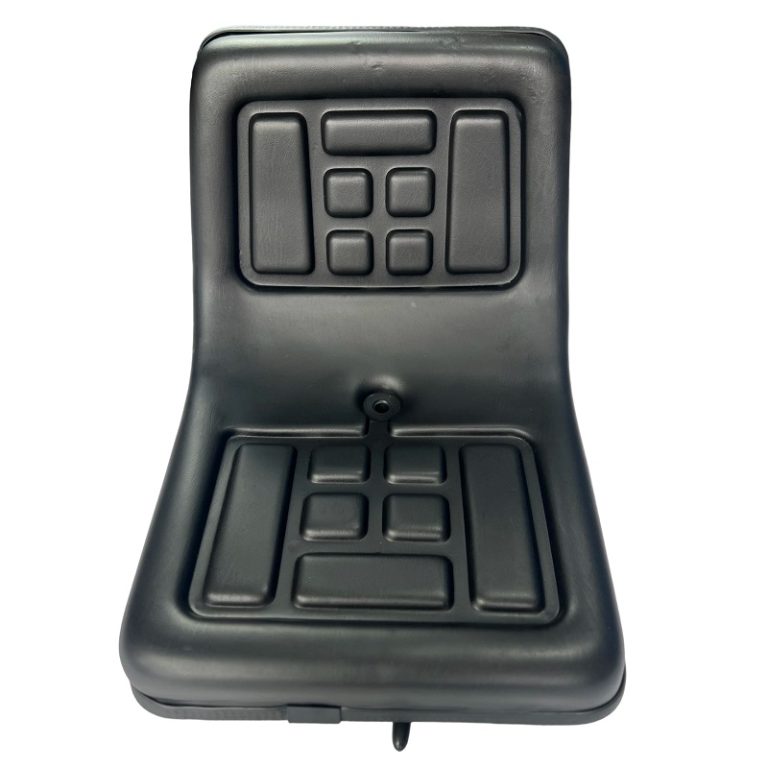
Why seat care matters — quick, local logic
Good seating reduces fatigue, protects the lower back and keeps you alert. Ergonomics isn’t fancy jargon here; it’s what stops you nodding off at the wheel after eight hours of ploughing. In KwaZulu-Natal I once spent a morning fitting a suspension upgrade on a 1990s tractor — the operator’s whole day improved. That real-world fix proves small upgrades to suspension or lumbar support pay back in comfort and safety. Use this as your north star when checking parts like mounting brackets and slide rails.
Daily checklist: five things to glance at
Do these quick checks before you fire up: look for loose bolts on the mounting bracket; test the adjuster for smooth travel on the slide rail; press the cushion to gauge foam density; inspect the seat cover for rips that let water in; wiggle the suspension to see if shock absorption is still lively. These take minutes and prevent bigger jobs later. Keep a small spanner and a rag in the cab — saves you walking back to the shed twice.
Weekly maintenance: what to lubricate and when to replace
Grease pivot points and slide rails weekly in wet seasons; less often in dry times. Replace foam that’s flat or uneven — degraded foam loses its shock absorption and ruins lumbar support. If the suspension shows metal-on-metal noise, fit a new unit rather than tinkering; that sound usually means worn bearings or failed dampers. Buying a proper replacement cuts downtime. Don’t skimp on correct fasteners and torque — loose bolts create unusual stress points on the seat base.
Common mistakes operators make — plain and painful
People think a cover solves everything; it doesn’t. A torn cover lets water soak the foam, which then compacts and smells — eish. Another mistake is over-tightening bolts, which cracks plastic seat shells. And one more: ignoring vibration. High vibration damages the spine over years — so address worn suspension early, not later. These errors compound; fix small issues now and you avoid major service later.
Choices when replacement is due — pick by use, not price
Match the seat to the job. If you haul heavy loads on rough ground, choose a seat with heavy-duty suspension and higher foam density. For orchard or vineyard work, a compact universal fit helps get in and out quick. If you’re browsing models, test the adjuster range and check real mounting compatibility, because brackets differ across brands. Also, inspect fabric: UV-resistant covers last longer in full sun. When you shop, compare real-world specs, not just marketing claims.
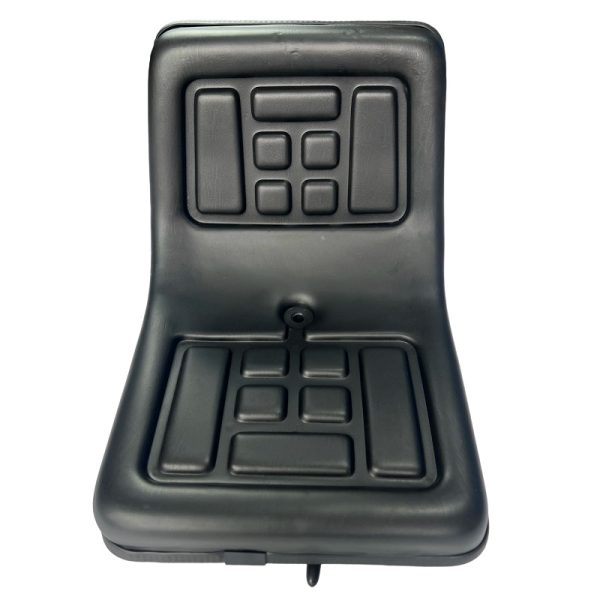
Installation tips and a quick troubleshooting list
Always mark hole positions before drilling; measure twice, drill once. When fitting a new unit, tighten bolts to recommended torque and then re-check after a few hours’ work — vibrations settle things in. Troubleshoot creaks by isolating the sound: cover, base, or suspension — work methodically. Keep replacement parts like an extra adjuster kit in the shed if you run multiple tractors.
Golden rules for choosing and caring — three critical metrics
1) Comfort retention: measure foam density and test rebound — the seat should spring back quickly and evenly. 2) Vibration isolation: assess the suspension travel and damping—good shock absorption reduces operator fatigue. 3) Fit and fix: confirm mounting compatibility and secure fasteners — a proper fit avoids structural stress. Use these metrics every time you evaluate repairs or replacements.
Keep maintenance simple, be sharp about suspension and fabric, and choose parts that match how you work — then you’ll be sitting right for seasons. Source One knows what operators need because the solutions start with practical fit, rugged parts and sensible service — the kind that keeps tractors going. –