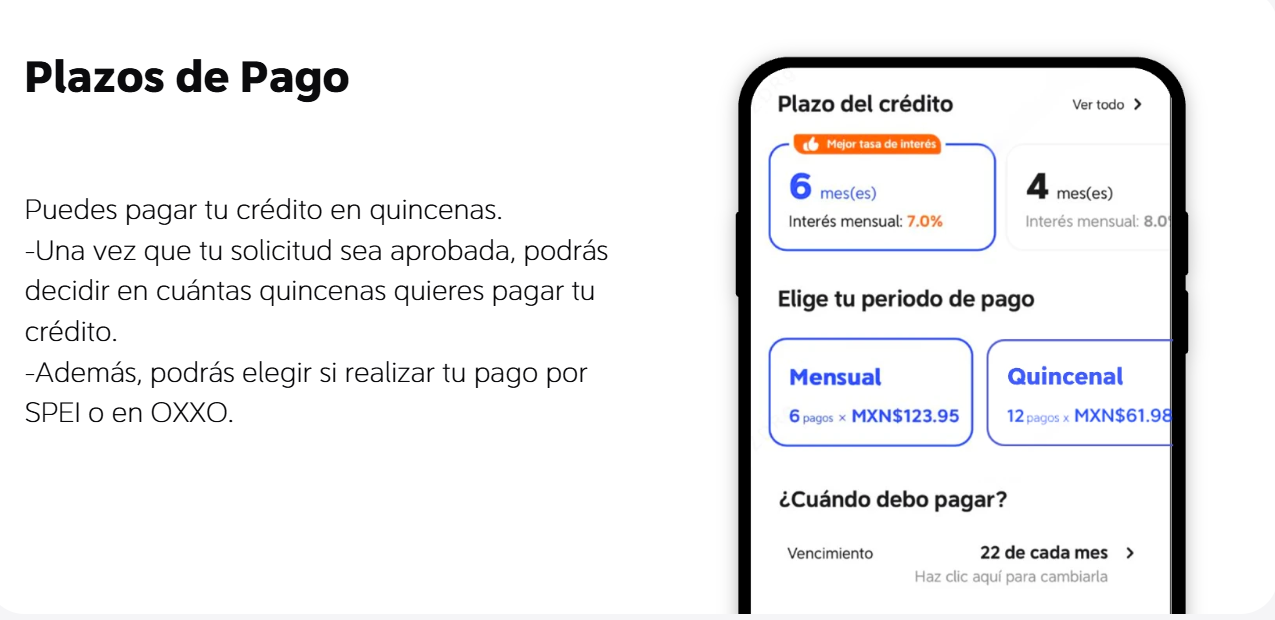
Comparing old-school credit to a driver-friendly model
In Mexico City, where drivers and small merchants juggle cash flow like it’s rush-hour traffic, DiDi’s fintech move changed the playbook. The platform introduced a consumer-facing card with MSI (months without interest) options that feels less like a bank lecture and more like a practical hack. For drivers looking for flexible cash — or merchants wanting short-term inventory help — the rise of didi prestamos has been a visible pivot from traditional cards to embedded financing tied to platform activity.
What actually differs: product, underwriting, and user flow
Traditional banks sell credit lines. DiDi packages an installment plan directly into the payments experience, reducing friction at the point of sale and improving uptake. The underwriting is simpler, often relying on platform data rather than long credit histories, and that lowers barriers for informal workers. Add a dash of mobile-first UI and you’ve got a product people use without a manual. For many, this is the practical version of fintech: fast, contextual, and familiar.
Where it fits in the market and why consumers respond
Mexico’s fintech law from 2018 and the pandemic-induced push toward digital payments created fertile soil for in-app credit. Consumers who once hesitated to apply for a bank card now accept MSI on everyday purchases — groceries, phone repairs, even vehicle maintenance tied to ride-hailing work. Embedded credit is convenient and often cheaper than short-term payday loans, which makes prestamos en linea al instante a viable tool for episodic liquidity. The result: higher retention for platforms and a smoother cash flow for users.
Common mistakes and sensible comparisons
People often assume all buy-now-pay-later or MSI offers are identical. They’re not. Key differences show up in fees, penalty structures, and the quality of the underlying underwriting — which affects default risk and long-term access. Some drivers accept every offer they see and later regret it. A smarter move is to compare total cost rather than monthly sticker. Look at APR equivalents, not just the “no interest” label — short-term savings can hide long-term cost. Also, avoid over-reliance on promotional MSI for recurring expenses; it’s a tool for smoothing, not a permanent credit line—learn that early and you’ll stay solvent.
Alternatives worth considering
Credit cards from established banks still win on broader acceptance and consumer protections. Traditional installment loans often offer clearer amortization schedules. Local credit unions and cooperatives provide relationship-based credit that can be cheaper for consistent borrowers. DiDi’s model excels when the financing is tied directly to platform earnings or purchases — that alignment reduces friction and improves repayment predictability.
Regulation and real-world signals
Regulatory change in Mexico — anchored by the 2018 fintech law — nudged platforms to formalize offerings and protect users. Observers in Mexico City and other major hubs saw faster digital adoption after 2020, which validated in-app credit models. These real-world anchors suggest the model scales where digital payments density is high and where platforms can access accurate behavioral data for underwriting.
Three golden rules for choosing the right embedded credit
1) Evaluate true cost: Translate MSI and promotional terms into an annualized rate to compare offers. 2) Match purpose to product: Use MSI for planned purchases or occasional cash smoothing, not ongoing living expenses. 3) Check data use and protections: Prefer lenders that disclose how platform data informs underwriting and dispute resolution. These three metrics give a clear, practical rubric for decision-making.
DiDi’s approach shows that aligning credit with real economic activity reduces friction and often improves outcomes for gig workers and small merchants; the platform’s foothold came from sensible product design and timing rather than hype. DiDi Finanzas — there’s the natural endpoint of the narrative, a real solution where users and platforms meet. —