Introduction — a shop-floor moment, some hard numbers, and a wondering eyebrow
I once watched a seasoned machinist sigh at a pile of parts that should have taken one setup but somehow needed three—classic Monday, right? In that shop were machines from DMG Mori, Makino, Okuma, Haas, and Hurco, each with its own strengths and quirks, and I kept thinking: why do identical jobs demand so many workarounds? Industry surveys suggest shops waste up to 20–30% of cycle time on unnecessary fixturing and secondary setups (yes, those tiny delays add up). So what’s the point of a 5-axis machining center if it still forces you into compromise—are we buying flexibility or building complexity? I’ll walk you through practical comparisons, a few amusing failures I’ve learned from, and honest metrics you can use tomorrow to judge a machine. — Let’s move from grumbles to clarity.
Why traditional setups break down: a technical look at hidden pain
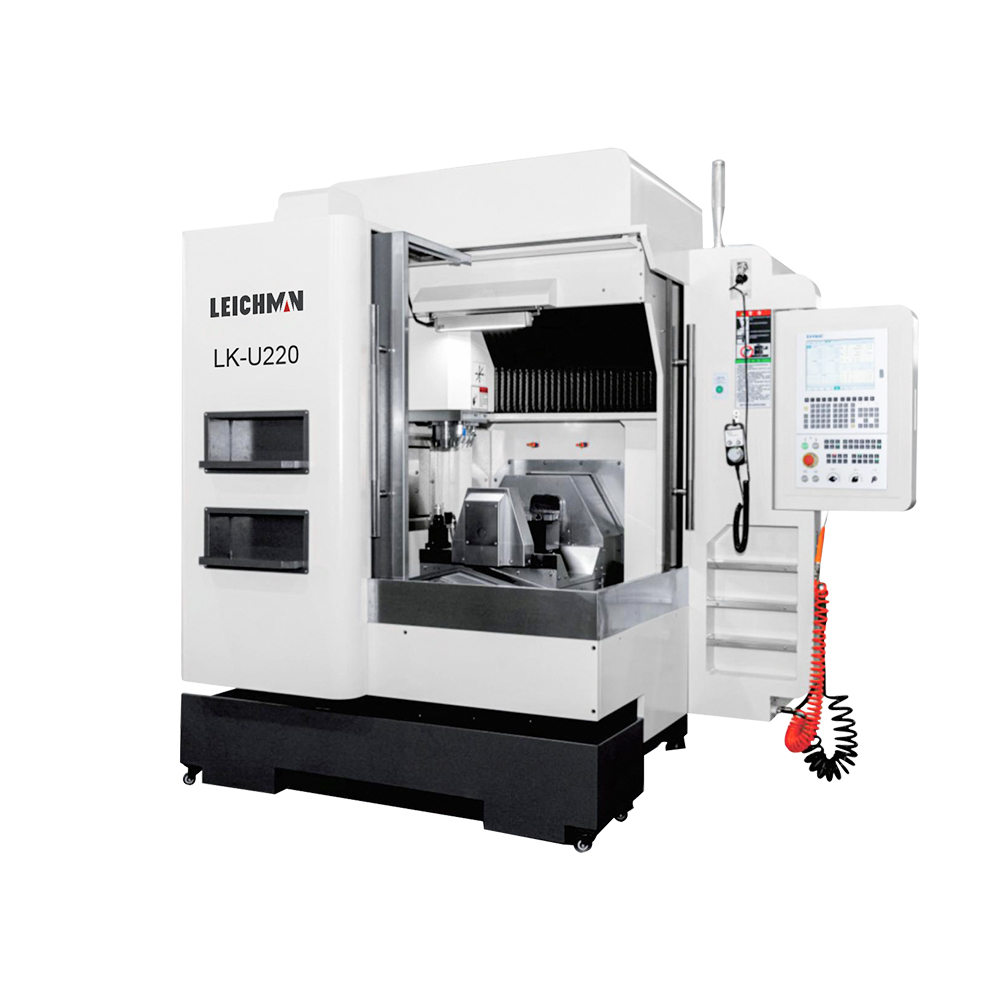
cnc multi spindle machine buyers often expect throughput gains and fewer setups, but I’ve seen the reality trip up even seasoned teams. The problem usually isn’t the spindle speed or torque on paper; it’s the mismatch between workholding strategy and axis synchronization during complex contours. Classic fixtures force extra indexing, and tool changer limitations create bottlenecks when many small tools are required. Look, it’s simpler than you think: poor machine/tooling integration is the silent time thief here. I’ve had shops where the servo motor tuning was left to defaults—result: chatter, inaccurate finishes, and wasted inspection cycles.
What technical faults cost you?
When linear guide wear or ball screw backlash creeps in, parts drift out of tolerance and rework skyrockets. G-code that assumes perfect kinematics will expose torque ripple and interpolation errors during 5-axis moves. These aren’t hypothetical; I’ve measured scrap climb when axis calibration lagged by just a few microns. We can patch this with better fixturing or more frequent checks, but those are band-aids. If you want step-change improvement, you must address system-level integration—controller, spindle, tool changer, and the CAM output (post-processor) all together. That’s where the old “more horsepower” mindset fails.
New principles and practical metrics for future-ready cells
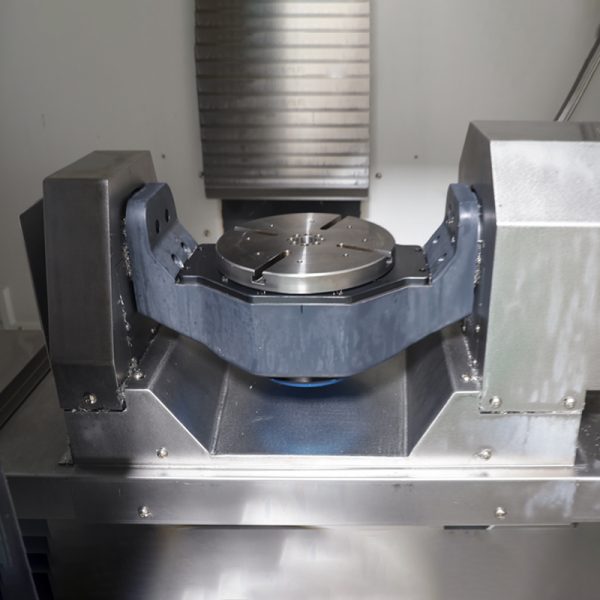
Looking ahead, I favor design principles that reduce dependency on manual fixes: smarter kinematic models, adaptive feed control, and tighter feedback loops between CNC, spindle, and tool magazine. When you evaluate multi-axis options, prioritize control firmware that supports real-time compensation and collision-aware tool paths. And yes—consider how edge diagnostics (on-board condition monitoring) flags bearing degradation before it becomes a quality crisis. These are not sci-fi; they’re practical upgrades that cut rework and setup time—funny how that works, right?
What’s Next — how to pick with purpose
For shops seeking to scale, I recommend testing with a real production part, not vendor demo pieces. Run the part through your full process: fixturing, tool library, cycle times, and inspection. Use that trial to compare multi spindle cnc machining services outputs and to validate whether the machine reduces setups or just shifts work elsewhere. We should be skeptical of glossy cycle-time claims; instead, measure consistency across batches and how quickly the control recovers after a minor disturbance. In short, demand proof under real conditions.
Final takeaways — three metrics to guide your next machine purchase
Here are three hard metrics I use when advising clients (no fluff): 1) Effective Cycle Time Reduction: measure total cell time from raw blank to inspected part across a 50-piece run. 2) First-Pass Yield Stability: track percentage of parts within tolerance over an 8-hour shift. 3) Setup & Changeover Time: record the elapsed time to move from one part family to another using your standard fixtures. These metrics reveal true productivity, not marketing numbers. If a vendor can’t help you validate these, walk away.
I’ve been in enough shops to know machines don’t fix process problems by themselves—people and tooling matter as much as hardware. I’d rather choose a slightly less flashy 5-axis center that integrates cleanly with my CAM, supports robust diagnostics, and cuts setup work than a model that promises top speed but leaves me juggling offsets. For pragmatic solutions and real-world testing, check out Leichman and then test with your part—because only that will tell the true story.