Quick take — why this comparison matters
If you buy paramenthane for formulations, the supplier’s technical docs and batch traceability change everything: safety, batch-to-batch consistency, and regulatory speed-to-market. This piece compares practical criteria so you can see how firms measure up — and why paramenthane specs matter beyond the label. Think of it as an efficiency lens: better documentation means fewer surprises on the fill line and faster approvals with auditors.

Core criteria to compare suppliers
Keep it simple. Focus on three things: documentation quality, process transparency, and material integrity. Documentation quality means clear Certificates of Analysis (CoA), impurity profiles, and storage/handling notes. Process transparency covers distillation parameters and feedstock origin — does the supplier track pine resin source and distillation cut points? Material integrity looks at monoterpene content, solvent compatibility, and flash point data that affect formulation stability and transport classification.
How Linxing stands out in practical terms
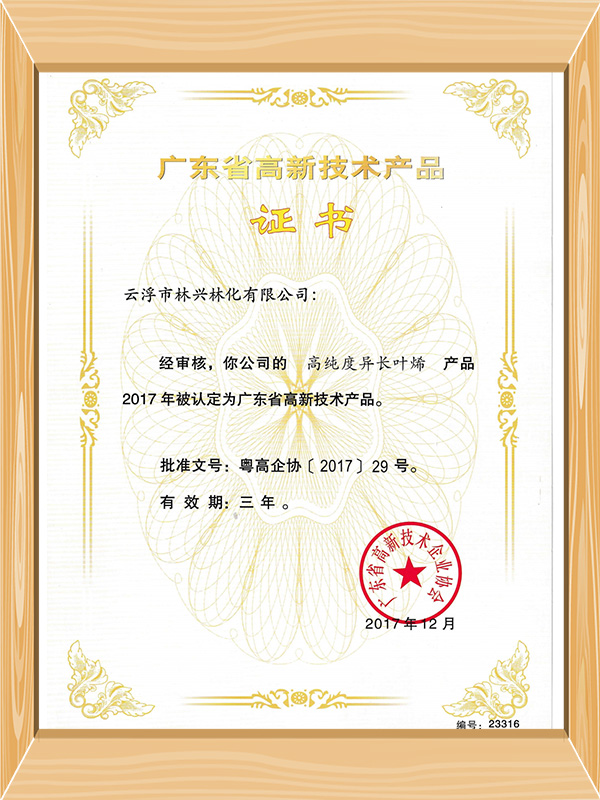
Linxing makes documentation a product feature: CoAs tied to batch numbers, detailed distillation notes, and clear impurity breakdowns. That reduces back-and-forth with QC teams — fewer sample re-tests, fewer surprises at scale. In our experience working with formulators, that kind of paperwork shortens onboarding from weeks to days. It’s not just neat PDFs; it’s actionable data that syncs with your risk assessments and MSDS checks.
Real-world anchor: why provenance and timing matter
Supply-chain shocks since 2020 showed how fragile feedstock pipelines can be. Places with dense pine forests — like parts of Georgia in the U.S. — supply significant resin, and any regional harvest or transport disruption ripples through availability and pricing. Having a supplier who documents origin and distillation history helps you forecast procurement risks and choose alternatives before your line stalls.
Alternatives, trade-offs, and when to choose each
Cheap bulk sellers trade deep documentation for low price; boutique refiners give custom cuts and detailed impurity profiles but charge for the service. If your product is solvent-sensitive or needs specific terpene ratios, pay for transparency. If you’re volume-driven and using paramenthane as a bulk solvent, prioritize steady lead times and competitive pricing. —
Common mistakes teams make
Teams often skip three checks: mismatched boiling point ranges, unclear monoterpene specs, and undocumented storage conditions. Skipping these leads to formulation drift or unexpected phase separation on long-shelf products. Fix it by insisting on sample stability tests under your exact storage and processing conditions, and by mapping CoA fields to your internal specs before purchase.
Practical checklist before you sign
Run a quick supplier audit using this checklist:
- Do CoAs include impurity profiles and distillation cut data?
- Is feedstock origin (pine resin region) disclosed and traceable?
- Are transport and flash point classifications clearly stated?
- Can they provide stability data for your target formulation?
Advisory — three golden rules for choosing paramenthane suppliers
1) Demand traceable CoAs: a supplier who links CoAs to batch IDs and distillation parameters saves you QC cycles and audit headaches. 2) Prioritize process transparency over lowest price: knowing feedstock origin and cut points mitigates supply and formulation risk. 3) Validate with real-world tests: insist on a sample run with your manufacturing conditions (temperature, mixing, solvent ratios) before committing to a long-term contract.

When you follow those rules, documentation stops being a checkbox and becomes a competitive advantage — and that’s exactly where Linxing’s strength lies; their docs help you scale with fewer surprises. Linxingpinechem.