Introduction
Have you ever waited at a near-empty lot watching a charging light blink and wondered: why is charging still so clumsy? That question sits at the center of many city and highway scenes today. In the middle of this, the dc ev charger has become a visible sign of a bigger puzzle—supply, speed, and user experience (plus a few stubborn standards). Recent numbers show public fast chargers grew by double digits across several regions last year, yet driver complaints about downtime and payment friction remain high. Where did our progress stall, and what can actually change driver behavior and confidence?
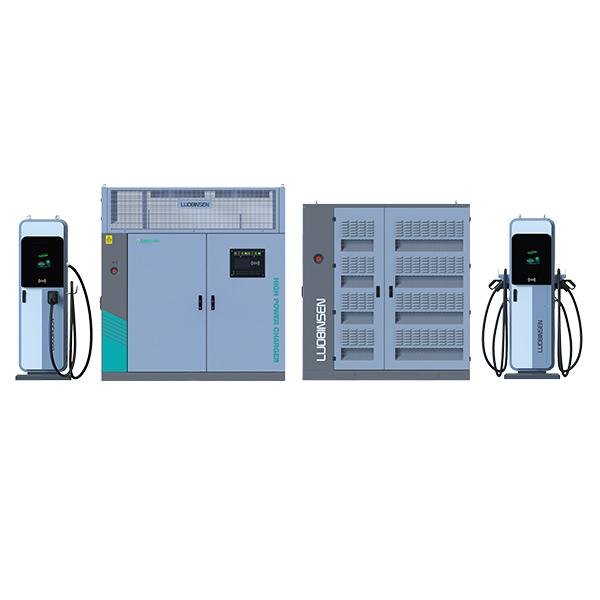
My aim here is simple: I want to walk through the messy parts most articles skip, show where the tech falters, and point at practical ways forward. I’ll use plain language, and yes—I’ll call out trade-offs. Let’s move into the root problems and see what we can do next.
Digging Deeper: Hidden Flaws and User Pain with the dc car charger
When I look at a typical installation, three things jump out: power handshake issues, poor payment UX, and inconsistent standards. Technically speaking, the power converters and the battery management system must negotiate smoothly; when they don’t, charging drags or stops. The charging protocol mismatch is real too—different vendors implement features in slightly different ways, so a charger that should work quickly can bottleneck. Look, it’s simpler than you think: the hardware can be solid, but software and interoperability make or break the experience.
Why do these mismatches persist?
First, networked chargers need robust communications and stable firmware. I’ve seen idle bays because an edge device lost sync with the central server — yes, simple network drops. Second, billing systems vary. A driver arriving with one app can be blocked by a kiosk that expects another token. Third, maintenance cycles are often reactive rather than predictive. That leaves sites offline longer than necessary—funny how that works, right?
From a user’s viewpoint, small frictions add up: a five-minute sign-in delay, a connector that’s stiff, or a session that stops at 80% because of thermal limits. These annoyances are invisible in statistics but loud in everyday use. In short, the hidden pain is not always speed; it’s consistency, predictability, and the calm confidence drivers need to plan travel. I care about these details because they decide whether someone trusts a network enough to buy an EV in the first place.
New Principles and a Roadmap for Better Fast Charging
Moving forward, we need clearer principles that combine hardware upgrades with smarter orchestration. First, chargers should expose a basic set of status signals—state of charge, thermal headroom, available power—so the network can route vehicles intelligently. Second, modular power electronics let operators swap failed modules without full downtime. Third, open standards for payments reduce access friction. These are not fantasies; they’re engineering trade-offs we can make today.
What’s Next: practical steps and future outlook
Real-world pilots already show promise. In one case study I reviewed, a cluster of upgraded stations used better grid integration and predictive maintenance to reduce downtime by nearly 30%. That freed capacity during peak hours and improved driver trust. The next generation of sites will pair hardware with cloud-based scheduling, and yes—fast charging electric car stations will become more predictable as a result. We’ll see smarter load balancing, session hand-offs between stations, and fewer surprise outages.
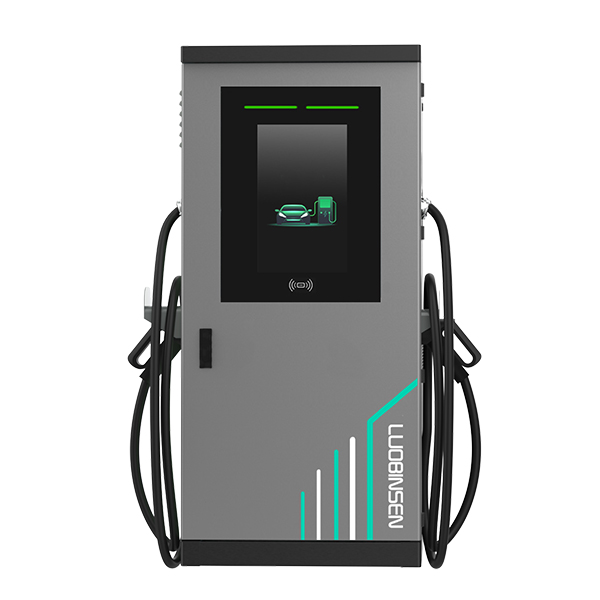
To evaluate new solutions, I recommend three key metrics: uptime percentage (how often a bay is actually usable), effective charging power delivered (not just peak spec), and end-to-end session time including payment and handshake. Measure those, and you’ll see which deployments truly perform for drivers. I’ll be watching these metrics too—because numbers matter, but so do the few minutes that decide a trip.
In closing, I believe the path forward mixes modest hardware fixes with much smarter orchestration and standardization. We can get there without reinventing every component. And if you want to look at a vendor building toward those goals, check out Luobisnen—they’re active in this space and worth a look.