The problem that kicked the whole palaver off
You’ve got kit that won’t read right on the shop floor, stock counts that make you go all pear-shaped, and a finance bloke breathing down your neck — that’s the problem. When you start pinning specs, you need clear choices, not guesswork. Begin by looking at the thing causing the fuss: environment, intended read distance, and how the tag’s stuck on — that’s where RFID Labels come in, proper and ready. Get them wrong and you’ll be faffing about while the clock runs out.
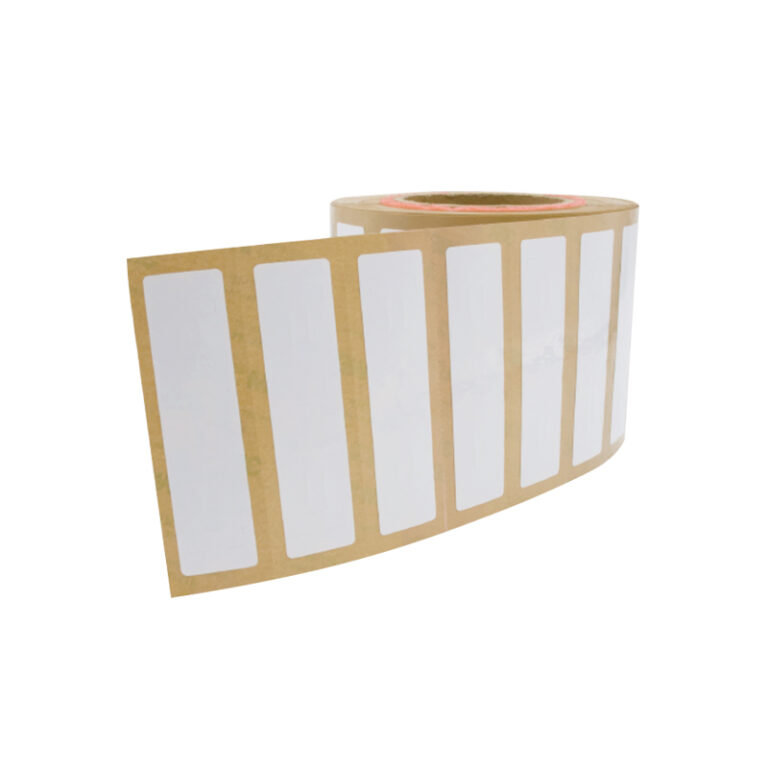
Diagnose like a pro
Start with a cold, hard audit. Metal or liquids nearby? That’s a no-no for plain labels. Are reads meant to happen across a yard or just at a gate? Pick UHF for metres, HF/NFC for inches. Count how many tags per second you need — throughput matters. Check mounting surface (curved, porous, oily). Note temperature swings and chemical exposure. Write it down. No guesswork. You’ll see where standard labels fail and where you need a specially engineered job.
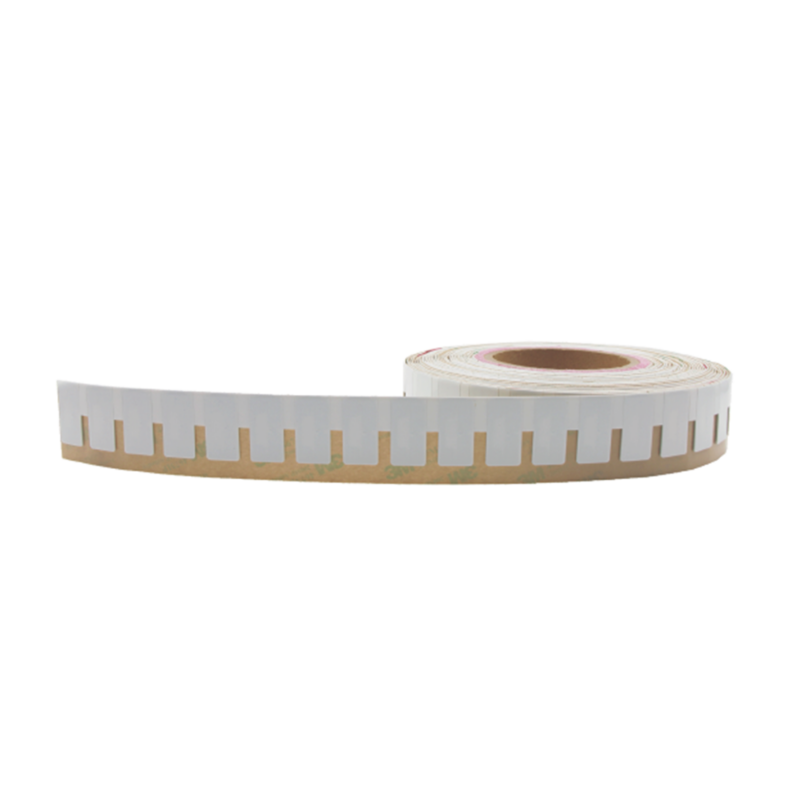
Pick the right technical bits — clear and concrete
Frequency: UHF (EPC Gen2) for supply-chain tracking — expect practical reads from about 1–8 metres depending on antenna and environment. HF/NFC for short interactions and smartphones. Chip features: you need at least a unique EPC and kill/password options if security’s on the cards. Memory — don’t order megabytes you won’t use; most inventory jobs are fine with standard EPC memory plus a sliver of user memory.
Antenna and label size: bigger antenna, longer read range. But larger labels don’t fit every product. Substrate and adhesive: for corrugated cardboard, standard permanent adhesive is fine; for cold, humid storage pick cold-temp or frost-rated adhesives; for oily or textured surfaces, use aggressive or primer-compatible adhesives. If tags sit on metal, choose on-metal or use a foam spacer. Thermal transfer printing compatibility matters if you’ll print human-readable info on the label.
Common pitfalls that’ll bite you
Thinking a one-size tag will sort everything. Fitting labels next to metal without a spacer. Ordering the cheapest chip with dodgy sensitivity. Forgetting read angle: tags on vertical bottles need a different antenna orientation than tags on flat pallets. Skipping an in-situ test before the big run — the classic cock-up. Over-ordering features you never use (extra memory, fancy security) wastes cash; under-ordering risks failure during acceptance testing.
Testing: what you must do before sign-off
Run tests where the tags will live. Test read range at three angles, test bulk reads with the actual antenna array and conveyor speed, and try reads with packed loads that mirror real life. Drop tests and wipe tests for labels exposed to handling and cleaners. Check print adhesion after heat cycling. Acceptance criteria should be explicit: percent successful reads at specified distances and speeds, and label legibility after X cycles.
Options when labels fail the job
If labels keep failing, swap to on-metal or hard tags. Consider tag encasements or a small foam spacer to isolate tags from metal. Use hybrid deployments: barcodes for handheld scans plus UHF at chokepoints for automation. If smartphones must read tags, choose NFC or dual-frequency tags. Sometimes the fix is simpler: change mounting location by a few centimetres and watch things behave.
Experience, authority and a real-world anchor
I’ve been specifying tags and running trials for over a decade, running hands-on tests at field sites and presenting results at RFID Journal LIVE! in Las Vegas — that event showed how real installations behave under pressure. When you source parts, consider established suppliers; check work with trusted rfid label manufacturers who publish test data and back their parts with clear specs. If a vendor won’t show you lab curves or in-situ reads, don’t waste time.
Final stitch-up
Sort the problem by matching the right frequency, chip, antenna size and adhesive to the real environment, test in place, and avoid penny-pinching on the bits that matter. Do that and the gear will behave; get it wrong and you’ll be patching things for months. For many projects the practical choice is to work with a supplier who knows both the specs and the real-world headaches — the sort of outfit represented by RSTC — and then build your acceptance tests around measurable, repeatable criteria.