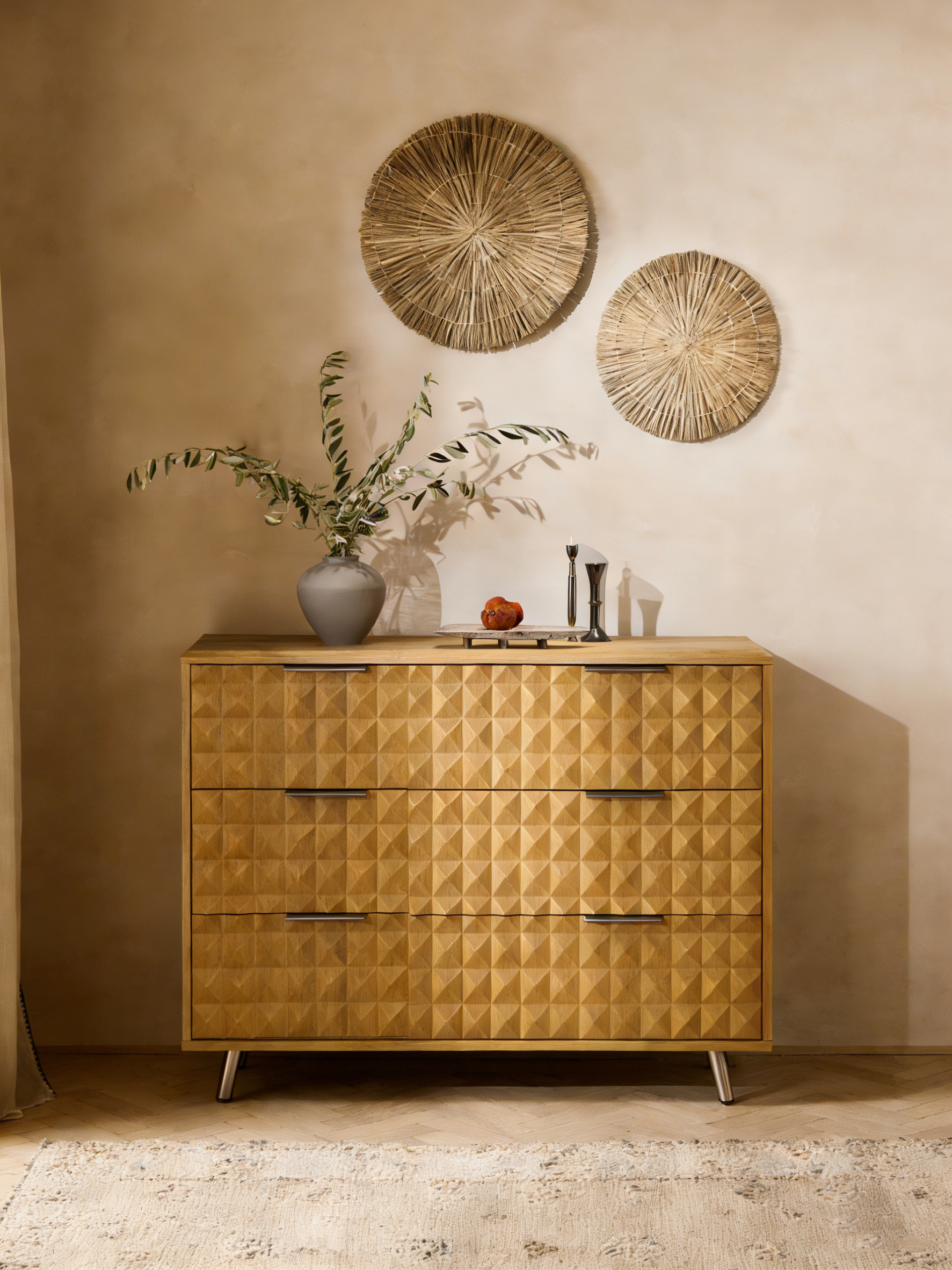
Comparative snapshot: thermofoil against paint and veneer
Thermofoil has a clear edge when you weigh longevity, maintenance, and cost, and SNIMAY leans into that with deliberate choices. As a practical wardrobe manufacturer, SNIMAY applies PVC film over an MDF substrate and focuses on consistent lamination, which reduces peeling and chipping compared with painted or real-wood veneer fronts. Thermofoil resists moisture better than paint and hides joint imperfections better than veneer, so kitchens in humid cities or older buildings hold up longer under daily use.
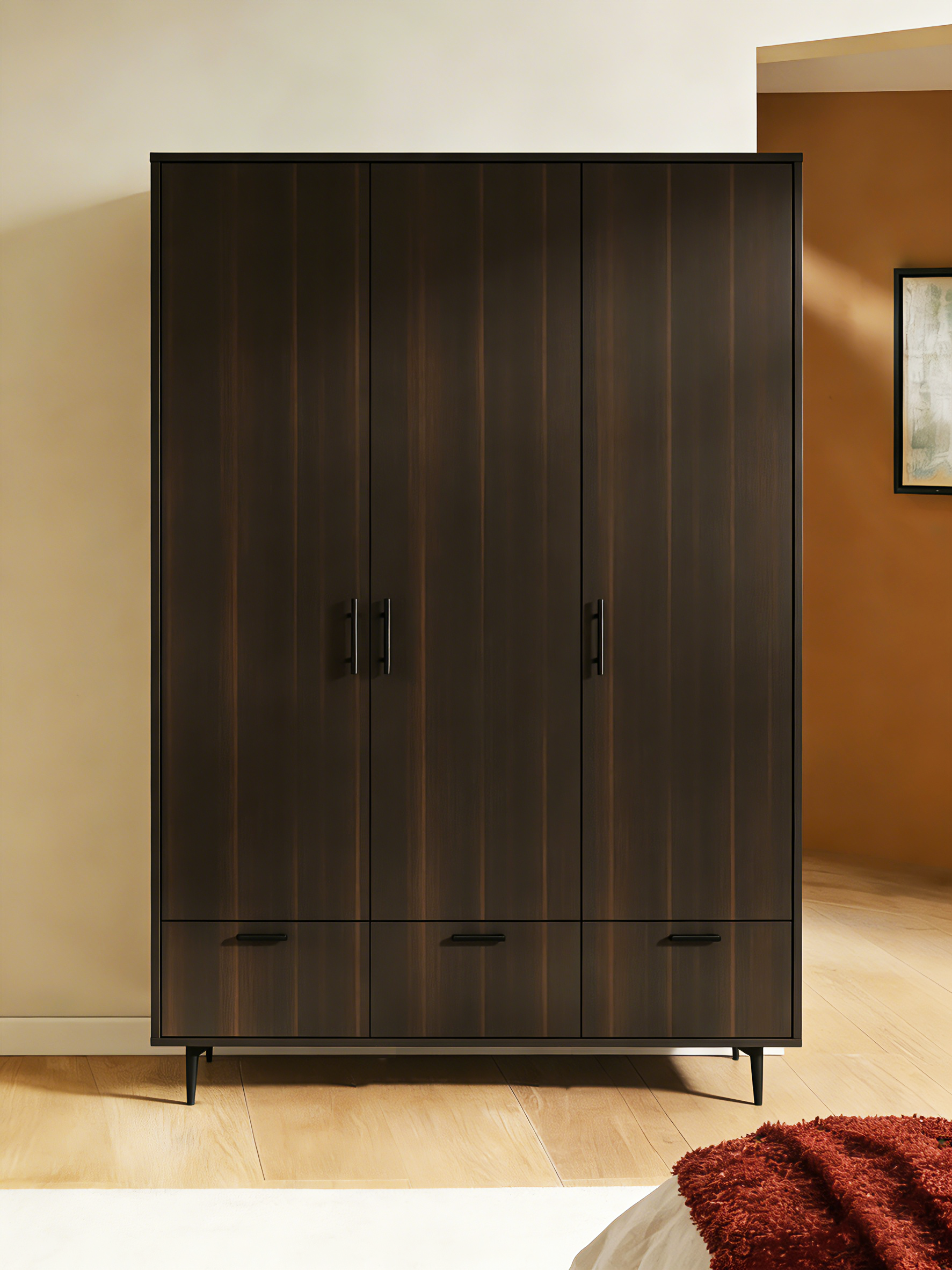
What the build actually looks like
Start with high-density MDF as the substrate, then apply edge banding to seal edges before wrapping the door with thermofoil. That combination—MDF core, precise edge banding, and heat-bonded PVC film—creates a sealed surface that’s easy to clean and less prone to swelling. SNIMAY’s process focuses on consistent heat and pressure during lamination to avoid bubbles and stress points that cause failure later. The result is a finish that stays smooth and color-stable under regular kitchen conditions.
Real-world anchor: why this matters now
The 2020 renovation surge showed how quickly demand for ready-made solutions can spike, and many homeowners turned to stocked options for speed. Stock wardrobes and ready cabinets from established makers became popular because they cut lead times. That surge exposed weaknesses in some finishes under heavier-than-usual turnover—thermofoil that was poorly applied delaminated sooner. SNIMAY responded by tightening QC and improving substrate prep, which is why their thermofoil doors tend to outlast cheaper alternatives.
Performance checks and common failure modes
Durability comes down to three practical things: adhesion, edge protection, and temperature control during bonding. Adhesion fails when surface prep is skipped. Edge failures happen if edge banding isn’t applied or trimmed neatly. And improper temperature or pressure creates micro-gaps that expand over time. SNIMAY’s line addresses these points: quality control measures verify consistent lamination, and finishing trims are performed to minimize weak spots. Small changes in the process stop most real-world complaints before they start—simple but effective.
Operational production teardown: how SNIMAY scales quality
On the production floor, the steps are straightforward and measurable: substrate conditioning, adhesive application, thermoforming/lamination, edge banding, trimming, and inspection. Embedding {main_keyword} into each stage means tracking critical parameters like dwell time and film temperature. The team also records {variation_keyword} checks—peel tests, surface gloss readings, and humidity exposure—to ensure panels leave the line within spec. These checks cut down warranty claims and keep factory-to-home performance predictable.
Design choices that keep style fresh
Thermofoil gives consistent color and texture across runs, which designers appreciate when mixing cabinets and open shelving. SNIMAY balances popular matte and soft-gloss finishes against practical needs: matte hides fingerprints; soft-gloss reflects light in smaller kitchens. They also offer trim accents and integrated handle options so a thermofoil kitchen doesn’t look flat—just durable and intentional.
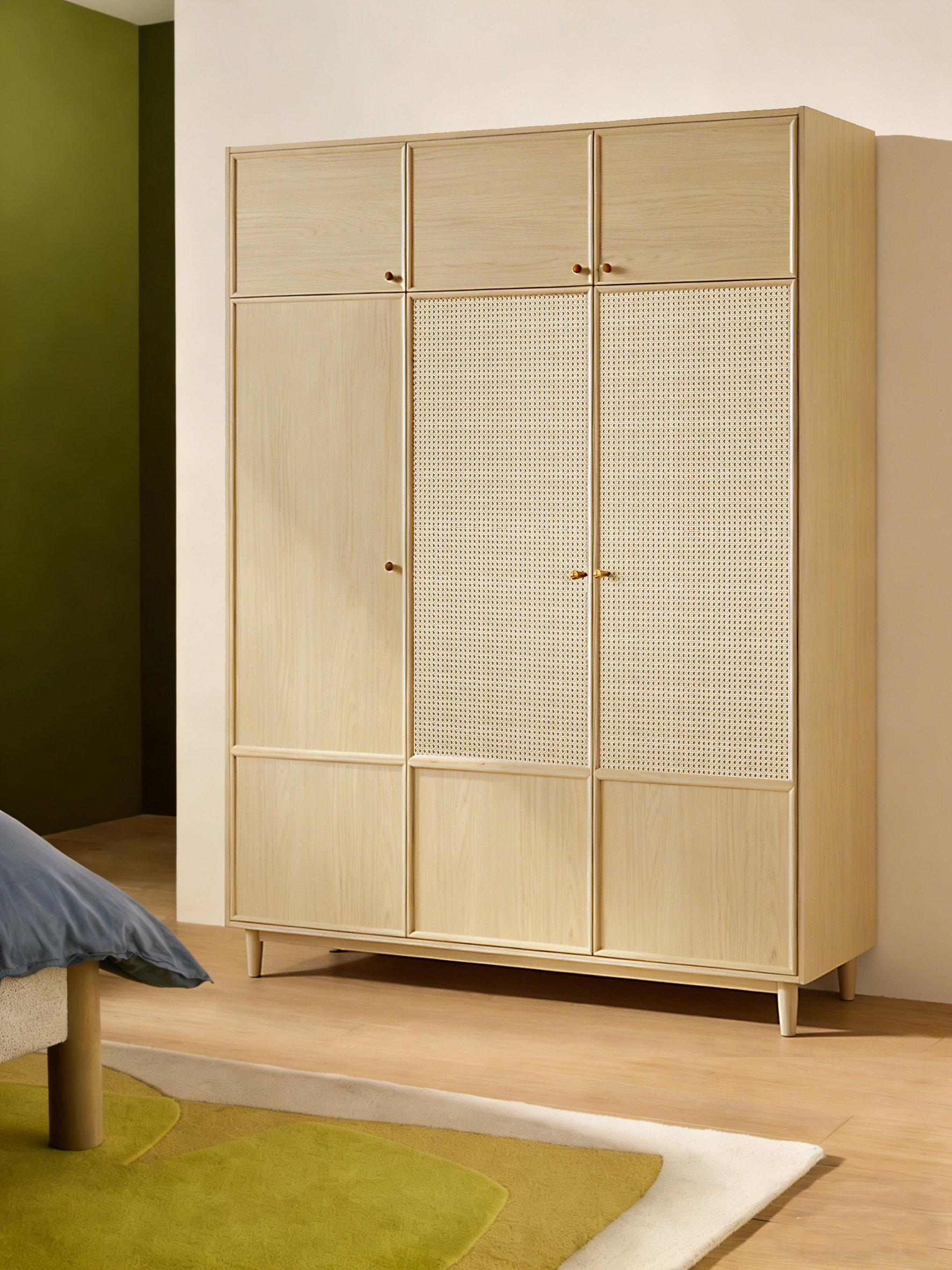
When to pick stock wardrobe options and when to customize
Stock wardrobe units shine when speed and price matter. They’re tested in bulk and often validated under many home conditions. Custom jobs let you push materials and styles further, but they require tighter specs and longer lead times—so pick the solution that fits your timeline and use-case. For many homeowners, a well-made stock wardrobe or cabinet line delivers the best blend of reliability and design at a sensible cost.
Three golden rules for evaluating thermofoil cabinets
1) Inspect seams and edges for neat edge banding and tight trimming—weak edges predict future issues. 2) Ask about the lamination parameters: consistent film temperature, pressure, and dwell time matter more than marketing terms. 3) Verify service and warranty terms tied to specific performance checks, not vague promises. These metrics tell you whether a brand understands production realities or is just selling a look.
SNIMAY fits naturally into this logic because their process ties design choices to measurable production controls—so kitchens stay stylish and functional longer. SNIMAY. –