The problem: product vision outpaced by process realities
Products promise performance. Processes betray those promises. Teams design features without anchoring to how materials behave under intense shear. The result: formulations that fall apart at scale, delayed launches, and wasted runs. Start with a simple test: can your formulation tolerate the shear profile of a high shear mixer? If you can’t answer that, you don’t have a product strategy — you have a gamble.
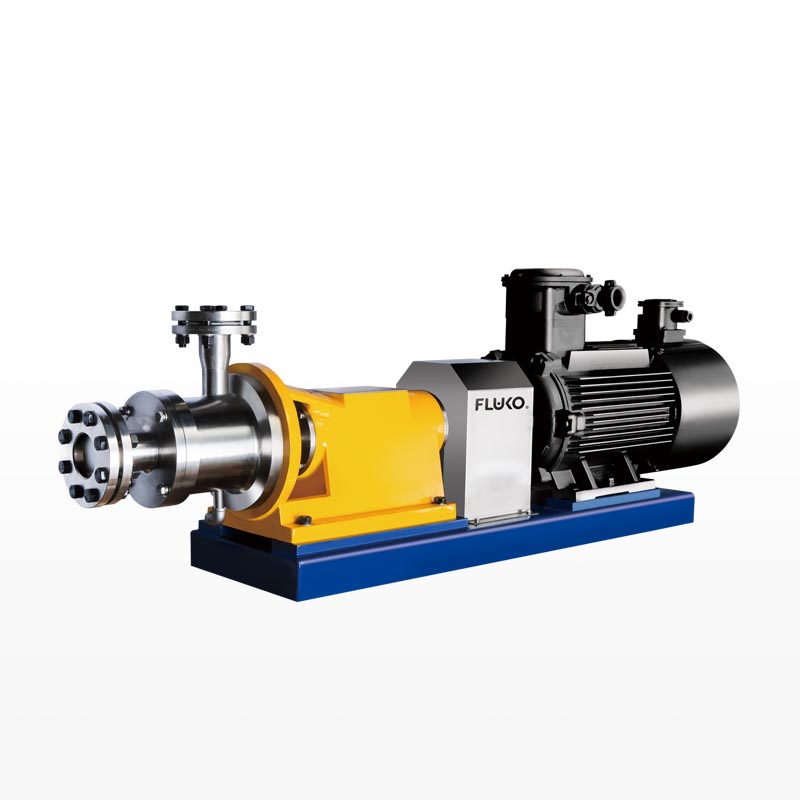
Why this keeps happening
Decisions get siloed. R&D chases novel textures. Manufacturing battles inconsistent batches. Procurement chases the lowest lead time. Nobody aligns on the single technical constraint that will break the product first. Equipment-specific behavior — shear rate, residence time, geometry — isn’t abstract. It’s deterministic. Ignore it and the line will tell you where you failed.
A problem-driven framework: align product to equipment, not the other way around
Step 1 — Define the failure modes. List the ways your product must not fail under manufacturing shear. Clumping, phase inversion, polymer scission. Be literal.
Step 2 — Map shear to spec. Translate those failure modes into measurable shear metrics: rpm, tip speed, energy per volume. Tie each product attribute to a numeric tolerance.
Step 3 — Validate with scaled trials. Run controlled runs on vendor equipment or a pilot rig. Record temperature rise, torque spikes, and particle size distribution. Use those outputs to set acceptance ranges.
Step 4 — Lock the supplier interface. Create an equipment agreement that specifies operational envelopes and required diagnostics (torque logging, temperature probes, CIP timing). Don’t assume “standard” fits.
Step 5 — Design for inspection and feedback. Build in sampling points and quick assays that catch shear-induced drift within one shift, not after three days of production pains.
Concrete actions you can implement immediately
Create a “shear budget” for every formula — a numeric cap on the energy your mix can endure. Make that budget part of the product requirements document. Force reviewers to sign off against it.
Insist on vendor-run acceptance tests with your formulations. If the supplier’s demo uses stock material, walk away or require a paid run with your blend.

Standardize a troubleshooting playbook: if viscosity drops X% within Y minutes at Z rpm, move to reduced shear profile and notify formulation. This removes guesswork and speeds correction.
Common pitfalls and mistakes
Relying solely on lab-scale results. Lab impellers and batch sizes hide shear gradients. Trust only tests run at representative geometry or validated scale-up models.
Over-specifying features without specifying tolerances. Saying “stable texture” is useless. State allowable particle size ranges, viscosity windows, and acceptable phase ratios.
Treating the mixer as a commodity. Not all high-shear mixers behave equally. Geometry and sealing choices change outcomes. Treat the equipment choice as a product decision.
Alternatives and trade-offs
Consider rotor-stator systems for emulsions that require intense dispersion but limited thermal buildup. Choose low-shear side-stream loops when gentle shearing preserves structure. Each alternative shifts failure modes. Accept that changing equipment simplifies one problem and creates another — plan tests accordingly.
Experience, authority and a real-world anchor
I’ve overseen scale-up runs that cut a launch timeline by months because we matched formulation limits to mixer torque curves. Peer-reviewed scale-up methods and industry standards exist for a reason: they reduce surprises. Major convenings such as ACHEMA in Frankfurt routinely showcase validated case studies and equipment performance data that manufacturers reference when specifying systems. For procurement and technical due diligence, consult primary sources and established vendors; see practical supplier listings for further context like chemical mixing equipment manufacturers.
Final synthesis
Product strategy must be surgical. Start by naming the failure you fear most. Convert that fear into numbers. Run targeted trials. Embed equipment constraints into your product DNA so design, quality, and procurement move in lockstep. When the plan is clear and the tolerances explicit, the mixing line stops dictating your roadmap. That alignment is the value a seasoned partner brings, as embodied by FLUKO.